ORLEN paczka 24/7

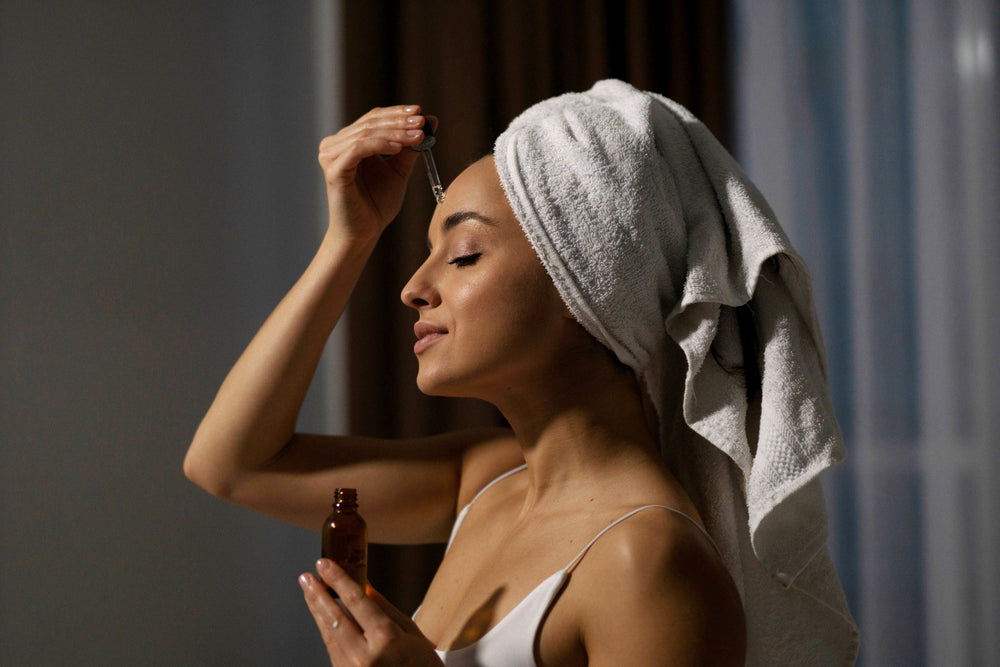




Warm water splashing onto the floor, subdued lighting, the scent of essential oils being released. This seemingly mundane scene is, in fact, a powerful signal to your nervous system that the danger has passed. All week long, your body has functioned as a shield, accumulating micro-tensions, absorbing urban pollution and reacting to every unforeseen situation with a surge of stress hormones. Now, as you finally cross the threshold of your home, your skin – the largest and most sensitive organ – needs something far more profound than a quick shower. True relaxation at home is the art of conscious touch, understanding your body’s physiology and providing it with exactly what it lacks at that moment.
Modern cosmetology has long since ceased to separate the condition of the skin from our well-being. The concept of neurocosmetics, based on two-way communication between the brain and the skin, proves that how we treat our body from the outside has a direct impact on how we feel inside. When you organise a home spa, you’re not just smoothing the skin’s texture or improving its tone. You’re triggering a cascade of biochemical reactions that lower cortisol levels, stimulate endorphin production and strengthen the weakened hydrolipid barrier. It’s an investment in the foundations of your well-being.
Creating the perfect routine, however, requires moving away from the chaos of random products. You need a precisely crafted strategy in which advanced active ingredients work in harmony with your body’s natural rhythm. A carefully selected skincare ritual becomes a bridge between medicine and the art of self-care. It allows you not only to wash away the physical burden of the past days, but also to prepare your tissues for the repair processes that occur most intensively under the cover of night.
The anatomy of tension – how does skin fatigue manifest itself, and what do we mistake it for?
When we are stuck in a state of constant stress, our body activates evolutionary survival mechanisms which – unfortunately – neglect the skin. Blood, rich in oxygen and nutrients, is directed to the muscles and internal organs, whilst the blood vessels in the skin constrict. The result? The tissue becomes oxygen-deprived, dull and devoid of its natural radiance. This is the phenomenon of oxidative stress, which destroys collagen fibres much faster than natural ageing processes. Worse still, elevated cortisol levels drastically slow down hyaluronic acid production, leading to rapid dehydration and a feeling as though the skin is uncomfortably tight.
We very often misdiagnose this condition, blaming it on the weather, hard water or the change of season. We try to remedy it with the first cream we can find, without realising that we are dealing with neurogenic inflammation. Skin that stings or itches after getting out of the shower, or reacts with redness to the seams of clothing, is skin with damaged intercellular cement. In this state, so-called transepidermal water loss (TEWL) increases dramatically. Applying random cosmetics without restoring the microbiome’s balance is like trying to carry water in a leaky bucket.
Additionally, constant myofascial tension blocks the free flow of lymph. You notice this as morning swelling, a feeling of heaviness in the legs, or an uneven texture of the subcutaneous tissue on the thighs and buttocks. The accumulation of toxins in the intercellular spaces inhibits normal cellular turnover. Dead skin cells (corneocytes) build up, forming an impermeable layer that makes the absorption of any active ingredients negligible. This is precisely why diagnosing this condition is the first step towards creating an effective, professional skincare routine.
The brain-skin axis – how do stress, sleep and diet determine the quality of the epidermis?
Before you reach for any jar in your bathroom, you need to look at your body from a broader perspective. No product, not even the most innovative one, will be able to repair the damage if the physiological foundations remain neglected. Your skin is almost like your body’s logbook – every sleepless night, every inflammatory meal and every spike in blood sugar is recorded on it. The phenomenon of glycation, caused by a diet rich in simple carbohydrates, causes sugar molecules to permanently attach themselves to collagen and elastin fibres, stiffening them and causing the tissue to lose its elasticity, and body lotion applied externally is unable to fully reverse this process.
Another powerful architect of our skin’s health is the circadian rhythm. Chronobiology proves that the epidermis has its own internal clock. During the day, it is in defence mode – the protective barrier thickens, sebum production increases, and antioxidants in the tissue fight free radicals from UV radiation and smog. At night, however, particularly during deep sleep, a fascinating renewal process begins. Microcirculation accelerates, and stem cells in the basal layer divide at the highest rate. However, if your sleep is shallow and interrupted, this entire precise mechanism is disrupted. Toxins are not effectively removed, and microdamage to DNA accumulates, resulting in dull and sagging skin by morning.
A holistic approach also involves understanding the role of the gut microbiome. The skin and gut are inextricably linked – dysbiosis in the digestive system immediately manifests as inflammation on the body’s surface, such as worsening follicular keratosis or atopic conditions. Supplementing with Omega-3 fatty acids, incorporating adaptogens that regulate the stress response (such as ashwagandha or reishi) into the diet, and ensuring adequate cellular hydration are the steps that lay the groundwork. Only on a body cared for in this way does external skincare have the chance to demonstrate its full potential, reaching the deeper layers of the epidermis and enhancing nourishing effects.
The architecture of the ritual – what to use in the morning, and what formulas are required for evening soothing?
Effective body care does not involve using the same products regardless of the time of day. Your routine should mimic the skin’s natural biological cycle. The morning is a time for stimulation, protection and preparing the skin to face environmental factors. It is the ideal moment for an energetic stimulation of the lymphatic system. Dry body brushing – always performed with sweeping movements, from bottom to top, towards the heart – not only gently exfoliates the skin, but above all stimulates circulation and activates the vagus nerve, boosting vitality. After a quick shower, it’s worth applying light, fast-absorbing formulas rich in vitamin C, niacinamide and antioxidants, which will act as an invisible protective shield for the whole day.
However, it is the evening that is the moment we’ve been waiting for after a long week. This is the time when your bathroom should transform into a professional spa. Dimmed lighting stimulates the pineal gland to produce melatonin, whilst water at the ideal, but not too high, temperature (water that is too hot brutally washes away ceramides and structural lipids from the epidermis) helps to reduce fascial tension. The evening rejuvenation routine is a carefully planned sequence of steps, in which each step prepares the skin for the next.
- Step 1: Stimulating exfoliation – Exfoliation sends a signal to the basal layer of the epidermis, forcing the production of new, healthy cells. By incorporating carefully selected body scrubs into your routine, you remove not only dead corneocytes but also impurities blocking the glandular ducts. By massaging your body with a product based on sugar or salt crystals containing emollients, you oxygenate the tissues and smooth the skin’s texture, preparing it to absorb active ingredients.
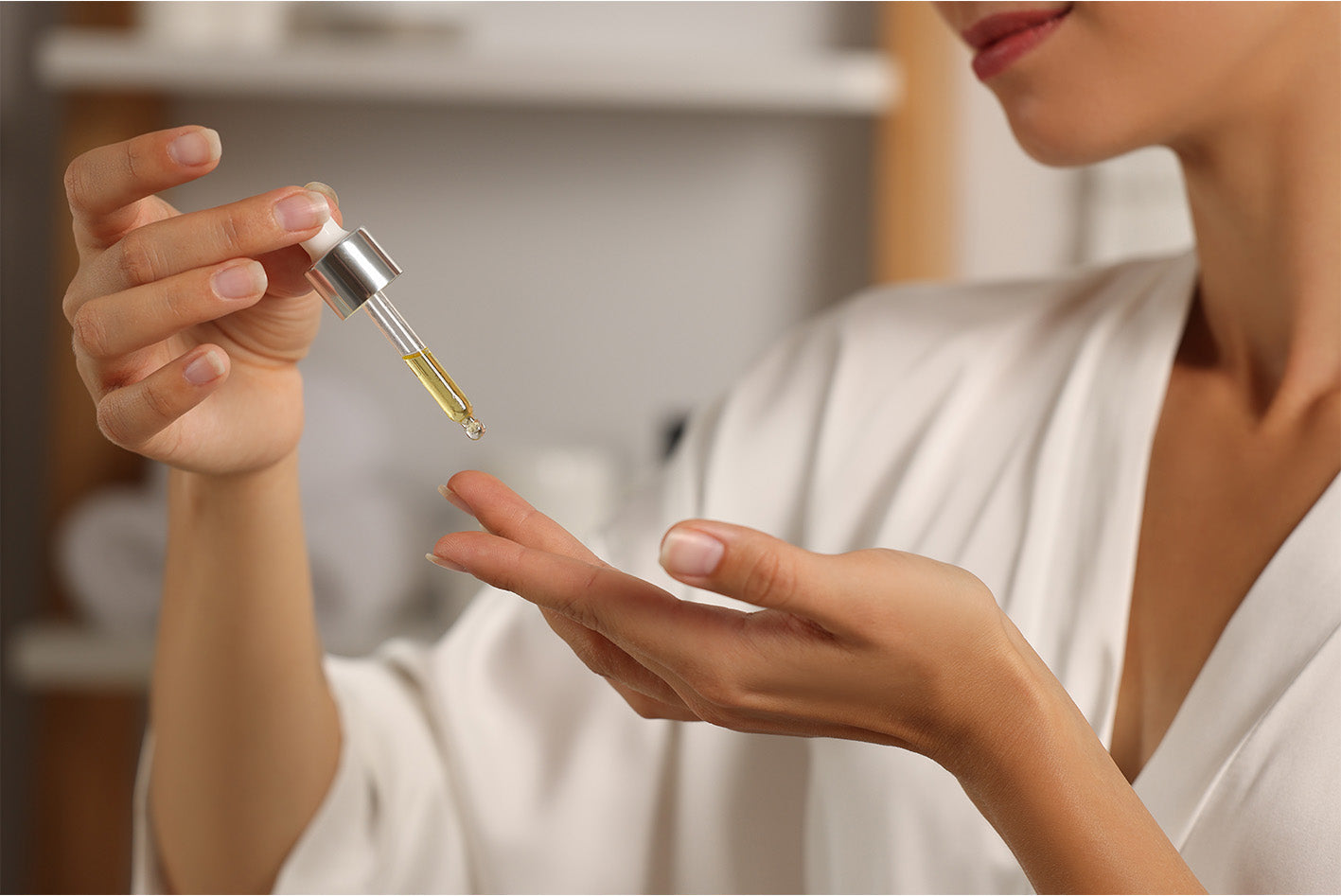
- Step 2: Occlusion and lipid saturation – Apply a concentrated nourishing treatment to slightly damp skin, whilst it is still warm from the steam. This is the optimal moment, when the pores are dilated and the skin barrier is ready to bind water. Massage rich, body care oils into the skin, focusing on the most vulnerable, dry areas: elbows, knees and calves. This phenomenon, known in modern dermatology as ‘body slugging’, involves trapping the maximum amount of moisture in the epidermis.
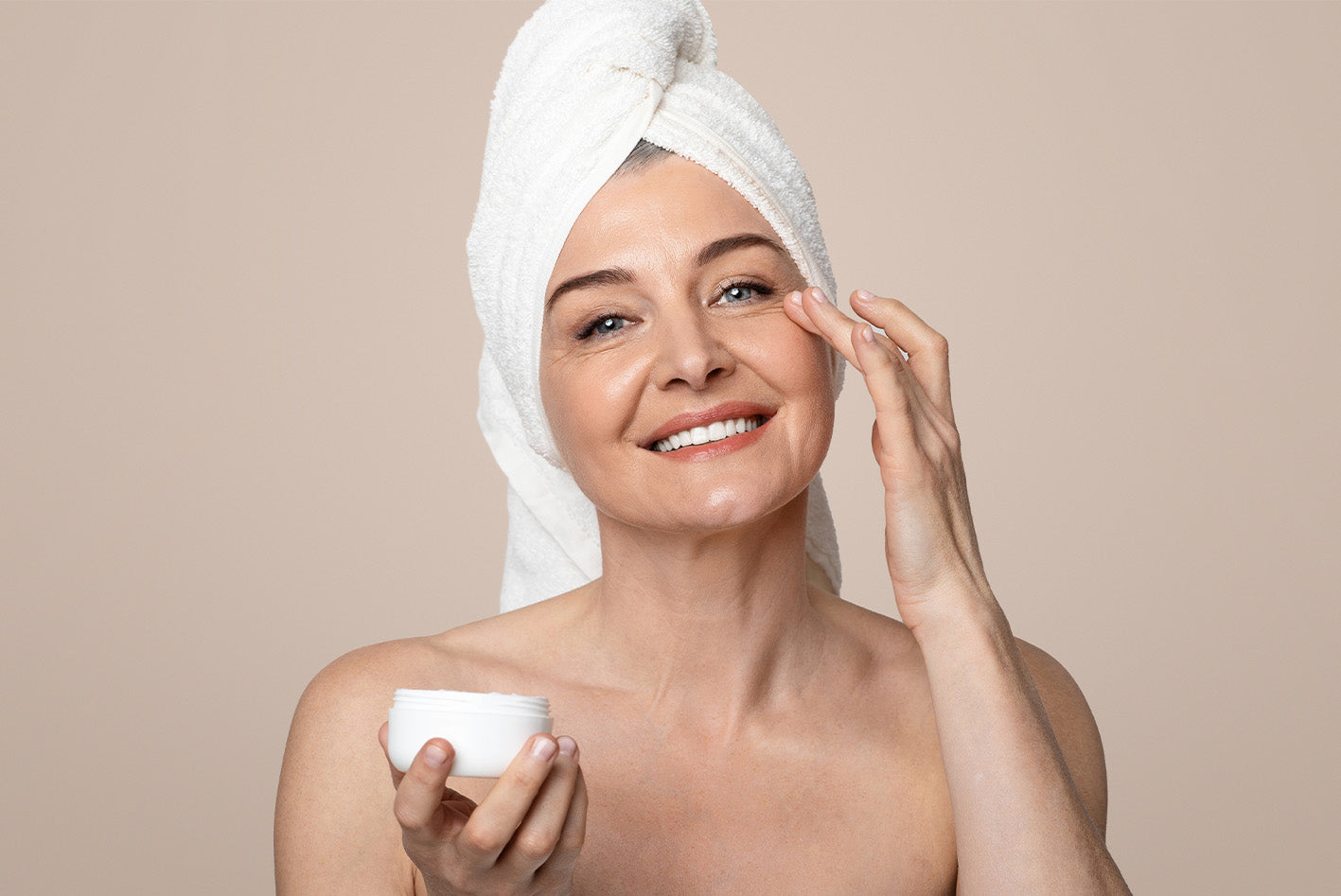
- Step 3: Sealing in moisture – The final step is to create a breathable protective layer. A rich cream or thick butter containing ceramides, squalane or cholesterol acts like architectural mortar, binding the damaged intercellular cement. It forms a protective film on the skin’s surface, allowing the repair processes to continue uninterrupted throughout the night.
Remember to perform this entire process with the right intention. Touch is a powerful therapeutic tool. Making slow, measured movements, from the periphery towards the centre of the body, lowers the heart rate and synchronises the brain’s hemispheres. This is a physiological response to deep relaxation, which accelerates cellular regeneration processes and ensures that upon waking, the skin is not only soft but also boasts a suppleness it has been lacking in recent days.
Personalising the touch – how to select active ingredients for the specific needs of the skin?
There is no universal formula for perfect skin, as every body carries a different history and distinct needs determined by genetics, lifestyle or hormonal balance. The key to spectacular results is absolute personalisation. Dry skin, or alipidic skin, suffers from a structural deficiency of its own sebum. It is dull, rough to the touch and requires a constant supply of moisturising substances – emollients such as shea butter, jojoba oil or evening primrose oil. Dehydrated skin, on the other hand, is a temporary condition that most of us experience after a stressful week. It lacks water, not oil. In this case, it is crucial to introduce humectants: hyaluronic acid, urea or trehalose, which act like microscopic sponges, binding water molecules in the stratum corneum.
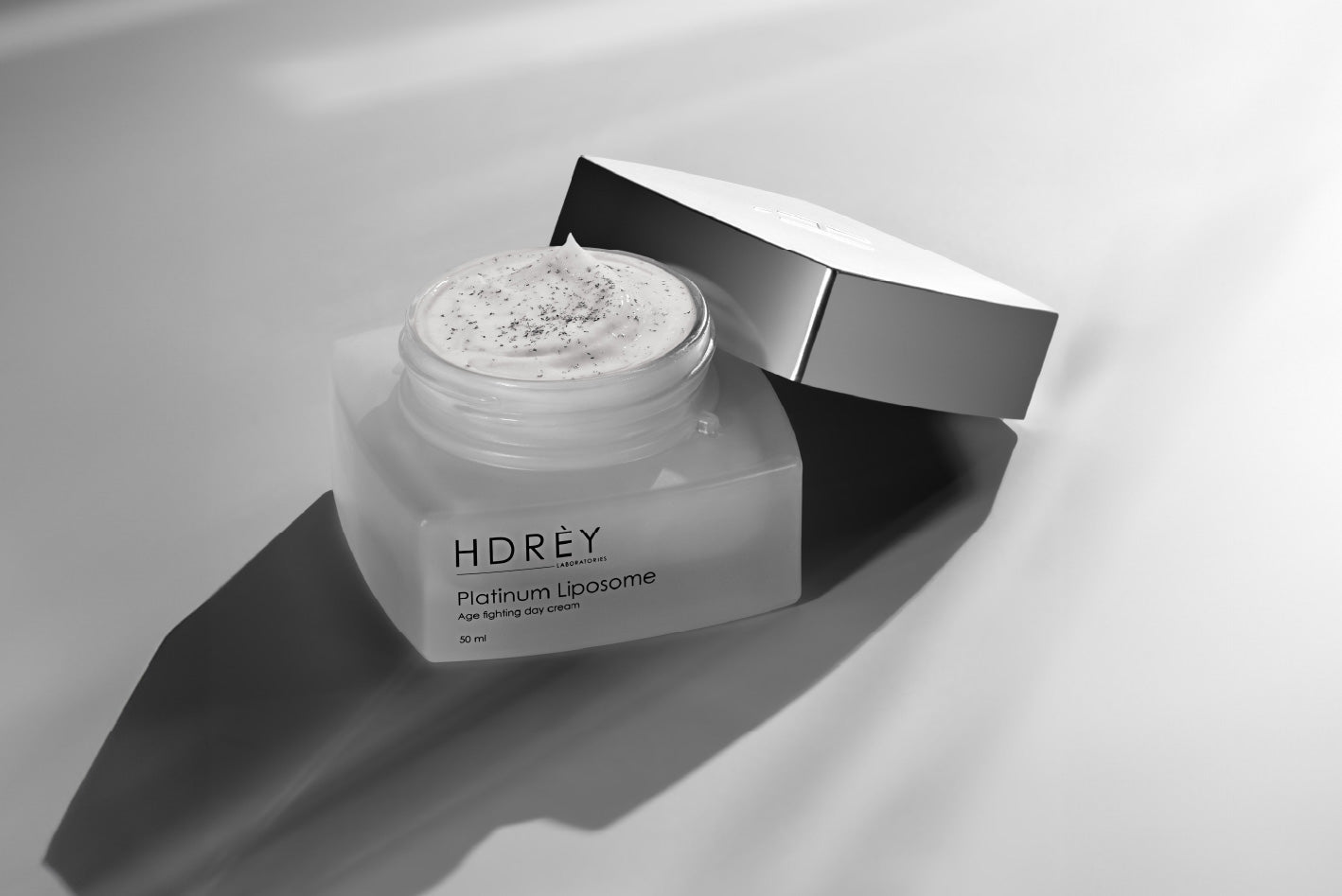
Mature skin requires particular attention, as it loses its density and elasticity due to a drop in oestrogen levels. Collagen and elastin degrade more rapidly, and the tissue becomes thinner and more susceptible to damage. Here, stimulating substances are essential. It is worth turning to phytoestrogens, signalling peptides and vitamin A derivatives. Advanced retinal, in the right concentration, can work wonders not only on the face, but also on the décolletage, arms and thighs, forcing fibroblasts to produce new collagen without the risk of severe irritation. Retinal works much faster and more effectively, undergoing only a single conversion in the skin to active retinoic acid, which makes it an ally in the fight against sagging skin.
If, on the other hand, you struggle with reactive skin prone to irritation and allergies, your main task is to soothe the epidermis’s immune system. When choosing natural body care products, opt for minimalism in ingredients. Avoid strong fruit acids and coarse mechanical scrubs, which can aggravate inflammation. Instead, your allies will be extracts of Asian pennywort (Cica), panthenol, allantoin and prebiotics, which will restore beneficial bacterial microflora. Remember that every complexion requires care, and the art lies in observation – if one day you feel a particularly tight sensation, treat yourself to a thicker layer of the product, using it as an overnight rescue mask for your skin.
Summary – how to turn your bathroom into a private sanctuary and maintain this effect?
Consistency is the currency in which the body pays the highest dividends. A one-off skincare spree, whilst undoubtedly bringing relief after a difficult week, is merely a prelude to building long-term health and resilience for your skin. Transforming ordinary, mechanical hygiene routines into a conscious, sensory ritual teaches the body a new definition of relaxation. However, this requires creating the right environment and setting aside time that is completely free from external distractions.
Introducing dedicated evenings of renewal – for example, every Friday, as a symbolic break from work-related stress – allows you to regulate the skin’s repair cycle. Stock your space with high-quality, multi-tasking formulas that will become the core of your routine. Treat a multi-step skincare routine not as a chore, but as a reward for surviving intense challenges. When you align your knowledge of skin biochemistry with your intuitive need for deep calm, your private sanctuary will yield results that go beyond the mere texture of your skin. You will gain skin that is soft, supple, resilient to stressors and, most importantly, fully harmonised with your inner rhythm.