ORLEN parcel 24/7


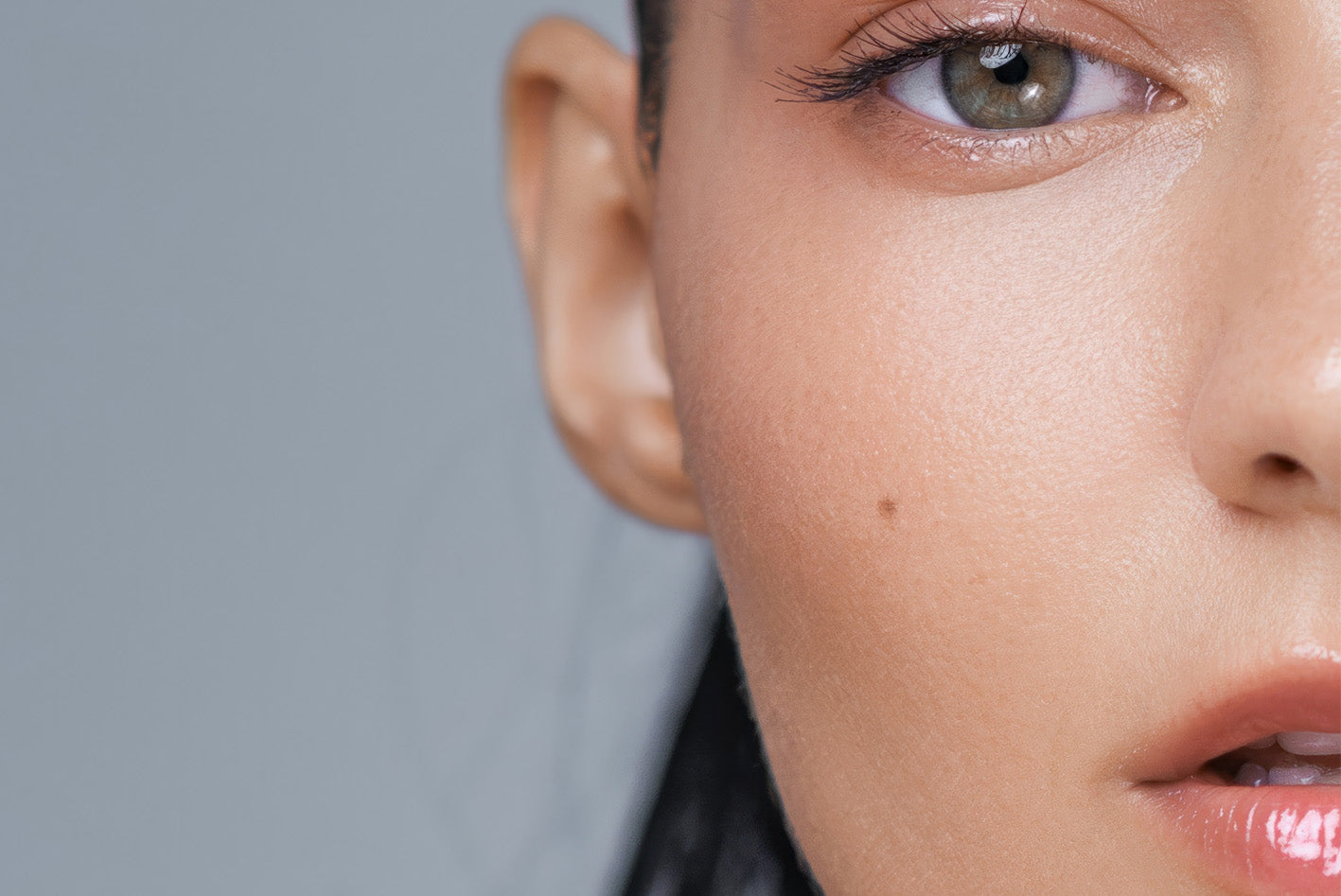
Skin is not a dead canvas on which we simply apply one cream after another. It is a dynamically pulsating, highly specialized ecosystem where millions of reactions invisible to the naked eye occur every day. One of the most fascinating processes is natural desquamation, i.e., the shedding of dead skin cells. Under ideal conditions, in a person in their twenties, the cell renewal cycle lasts only 28 days. A new cell is born in the basal layer, slowly migrates upwards, matures, loses its nucleus, and eventually falls off, making way for a new generation. It sounds like a perfectly oiled machine. The problem is that our lifestyle is rarely perfect.
Stress, sleepless nights in front of a computer screen, hormonal fluctuations, polluted city air, as well as natural glycation processes and the passage of time cause this biological metronome to slow down. After the age of thirty, this process can extend up to 40 days. The consequences? Keratinized corneocytes accumulate on the surface of the stratum corneum like dried scales. The face loses its ability to reflect light, becomes grey, rough, pores become clogged, and even the most expensive vitamin C or peptide serum cannot overcome this dead barrier. This is where a carefully selected facial scrub comes into play. Not as a tool of oppression, but as an intelligent communicator that sends a signal deep into the tissues: it's time to accelerate renewal.
Biology of renewal – why does the natural cell cycle need our support?
To understand how to achieve the effect of glassy, perfectly smooth skin without redness, we need to take a look under the microscope for a moment. The outermost layer of our skin, the stratum corneum, is made up of flat, brick-like cells. Between them is an intercellular cement rich in ceramides, cholesterol, and fatty acids, and the "bricks" themselves are held together by special protein fasteners called desmosomes. When our skin functions properly, special enzymes naturally dissolve these fasteners, releasing cells. With age and due to decreased hydration, these enzymes lose their effectiveness.
By using exfoliating preparations, we are, in fact, replacing our lazy enzymes with substances applied externally. It is extremely important that this process occurs in full harmony with the hydrolipid barrier and the delicate microbiome inhabiting our face. Too aggressive rubbing or a drastic lowering of the pH will lead to the tearing of the lipid mantle, transepidermal water loss (TEWL), and micro-steps where pathogenic bacteria readily multiply. This is why a conscious selection of a product that matches the current dermatological profile of our skin is so crucial. However, before we introduce acids or enzymes, the surface of the epidermis must be perfectly clean. Professional facial cleansing cosmetics are an essential prologue – they remove the film of impurities, sweat, and SPF residues, opening the way for active substances.
Acid, enzyme, or grain – how do individual exfoliating substances work?
Cosmetology has moved away from brutal methods of mechanical exfoliation of the epidermis with sharp nut shells in favor of intelligent, chemical and enzymatic diplomacy. Choosing the right substance is a strategic decision. Different molecules operate at completely different levels of the epidermis, offering distinct benefits that extend far beyond simply removing dead cells.
When considering which preparation will be optimal for you, it is worth analyzing the mechanisms of action of the strongest players on the beauty market:
- AHA Acids (Alpha Hydroxy Acids): These include glycolic, lactic, and mandelic acids. They are water-soluble, meaning they act primarily on the surface. Glycolic acid has the smallest molecule, allowing it to penetrate deeply, stimulating fibroblasts to produce collagen – it is phenomenal for mature skin with discoloration. Lactic acid, on the other hand, is a wonderful humectant, meaning that while exfoliating, it powerfully binds water in the epidermis, giving an instant plumping effect.
- BHA Acids (Beta Hydroxy Acids): The king of this category is salicylic acid. Its absolutely unique feature is its lipophilicity – it dissolves in fats. Thanks to this, it penetrates through the sebum layer, getting directly into the pores. It literally sweeps away impurities, while also acting as an anti-inflammatory. This is the gold standard for skin prone to breakouts, blackheads, and excess sebum production.
- PHA Acids (Polyhydroxy Acids): These include gluconolactone and lactobionic acid. They have very large molecules, which prevents deep and rapid penetration. They act extremely slowly, gently, and on the very surface. Additionally, they are strong antioxidants and strengthen blood vessels. This is an oasis of soothing for ultra-sensitive, reactive skin and skin struggling with rosacea.
- Plant Enzymes: Bromelain (from pineapple) and papain (from papaya) work on the principle of proteolysis. They do not dissolve intercellular bonds, but literally digest dead proteins of the epidermis on its surface. Enzymatic peeling does not require any rubbing, is often activated by heat or water, and is the safest form of exfoliation for vascular, thin skin or skin undergoing retinoid treatment.
The architecture of conscious care - how to weave exfoliation into your evening ritual?
The effectiveness of the most wonderful exfoliating formula depends equally on its composition and on the method and context of application. Exfoliation is a treatment reserved almost exclusively for the evening routine. Firstly, by removing the superficial layer of the epidermis, we sensitize the skin to UV radiation. Secondly, it is at night that the skin switches from protective mode to intense regeneration and repair mode, and the absorption of active ingredients drastically increases.
Every high-quality ritual begins with the fundamental step of double cleansing. In the first phase, we reach for the oil phase. Appropriately selected, advanced cleansing balms for the face, massaged onto dry skin, brilliantly emulsify heavy makeup, water-resistant sunscreens, and sebum accumulated throughout the day, without disturbing the structure of the intercellular cement. After rinsing, we move on to the second step, using the water phase. Gentle facial gels wash away water-soluble residues, preparing a sterile clean canvas.
Now is the time for your chosen face peel. The application method depends on the product's consistency. Liquid acid toners are patted in with hands or applied with a thin cotton pad, allowing them to absorb. Enzymatic masks are often applied in a thicker layer to slightly moistened skin (water aids the proteolysis process) and left on for the time specified by the manufacturer. The key here is the principle of contact therapy. The ingredients need time to act biologically at the molecular level. Once the substance has done its job, we must neutralize it or envelop the face with an occlusive layer full of ceramides, hyaluronic acid, and centella asiatica. Remember – exfoliation is controlled micro-stress, and after every stress, our skin demands deep soothing and lipid repair.
Red zone – what exfoliation mistakes damage our hydrolipid barrier?
Enthusiasm for the promise of perfectly smooth skin can be misleading. In pursuit of quick results, it is very easy to cross the thin line between stimulating renewal and dermatological inflammation. A ruined hydrolipid barrier is a direct path to a paradoxical reaction: the skin becomes simultaneously extremely dehydrated, taut, and yet produces copious amounts of sebum in a defensive reflex, leading to a cascade of blackheads. Knowing what to avoid is as powerful as knowing the active substances themselves.
The most serious transgressions in home exfoliation include:
- The myth of stinging as proof of effectiveness: This is one of the most harmful beliefs. A properly selected and applied peel may cause a slight tingling or warmth, but it should never sting, prickle, or cause intense redness. Severe pain is a signal from the nervous system that we are chemically burning the epidermis and destroying its protective functions.
- Mechanical rubbing of active inflammation: Using grainy scrubs on acne-prone skin with active, purulent breakouts is the fastest way to spread Cutibacterium acnes bacteria all over the face and exacerbate inflammation. In such cases, only chemical formulas (salicylic acid) or gentle enzymes are allowed.
- Phenomenal exfoliation, meaning frequency without moderation: Using strong acids daily, often twice a day, leads to over-exfoliation. The skin does not have time to build a new stratum corneum. Exfoliation should occur 1-2 times a week, giving cells time for physiological regeneration and the production of their own natural moisturizing factors (NMF).
- Combining powerful actives in one routine: Applying a strong glycolic acid on the same evening as a heavily regenerating retinal or pure ascorbic acid is too much biochemical burden. These substances require different pH levels for optimal action, and their cumulative irritating potential exceeds the skin's adaptive capabilities.
Summary – how to perfectly prepare your skin for a big event?
Exfoliation is not an incidental corrective treatment, but a long-term investment in the health and function of tissues. Understanding how our epidermis behaves allows us to transform accidental cosmetic purchases into a precisely constructed strategy. When we remove the grey mantle of keratinized cells from our face with intelligent, gentle acids or enzymes, we reveal a new, luminous layer that absorbs nutrients like a sponge and provides an ideal base for radiant makeup.
If you are planning a big outing, do not experiment with new concentrations the day before the event. Effective texture equalization is a process that requires consistency. Incorporate a face peel safe for your skin several days in advance, wash it off with care, and then apply a compress of lipids and antioxidants. In this way, you will not only prevent irritation but also regain that elusive, healthy glow that cannot be replicated by any highlighter. True beauty is, first and foremost, skin that functions in full, biological harmony.