

Face masks – professional skincare for a radiant and healthy complexion
-

 Quickshop
-

 Quickshop
-

 Quickshop
Collagen 9D x Cu x PDRN Firming and regenerating hydrogel mask Collagen 9D 3x40gRegular price 79,00 zł
Quickshop
Collagen 9D x Cu x PDRN Firming and regenerating hydrogel mask Collagen 9D 3x40gRegular price 79,00 zł -

 Quickshop
-

 Quickshop
-

 Quickshop
-

 Quickshop
-

 Quickshop
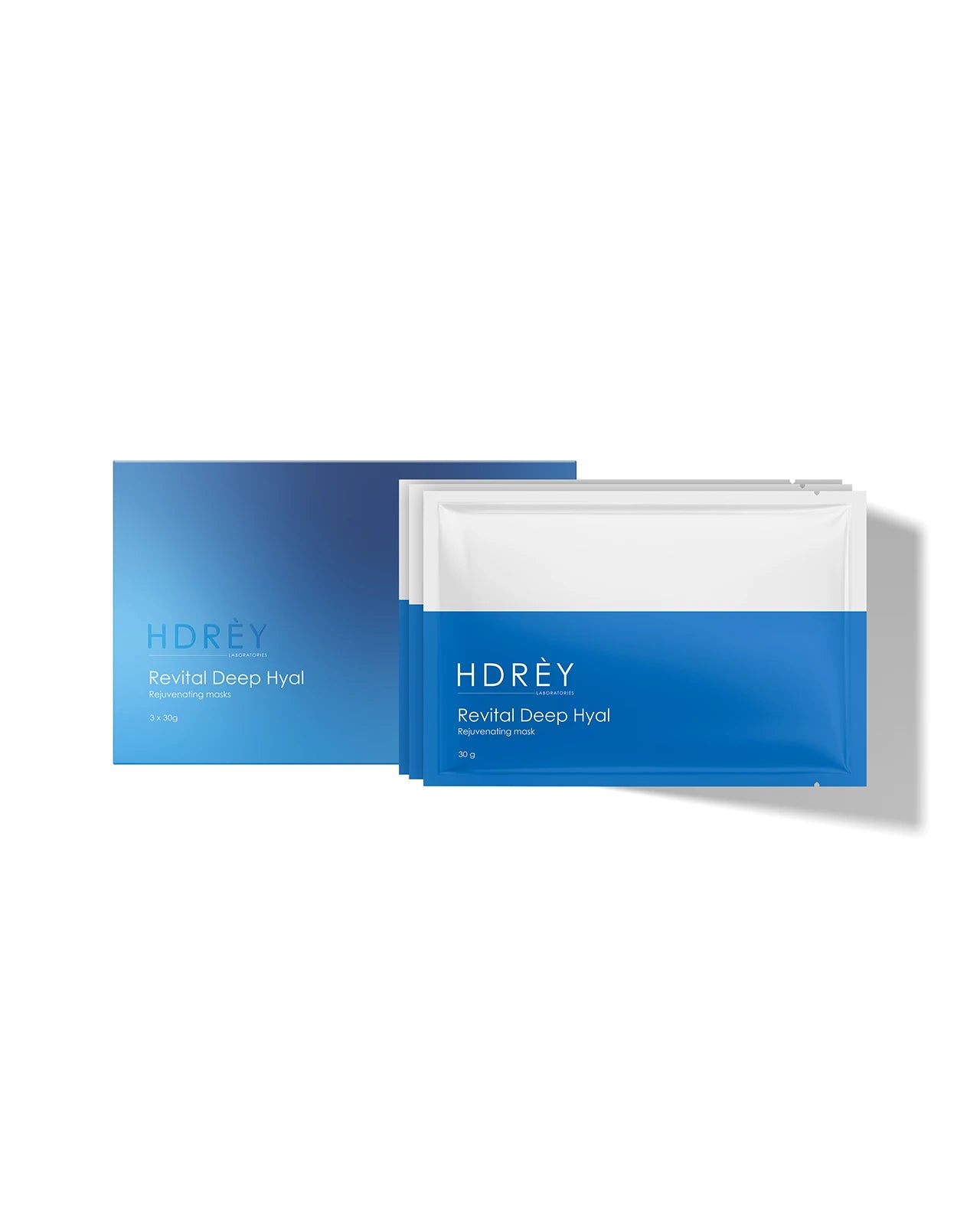
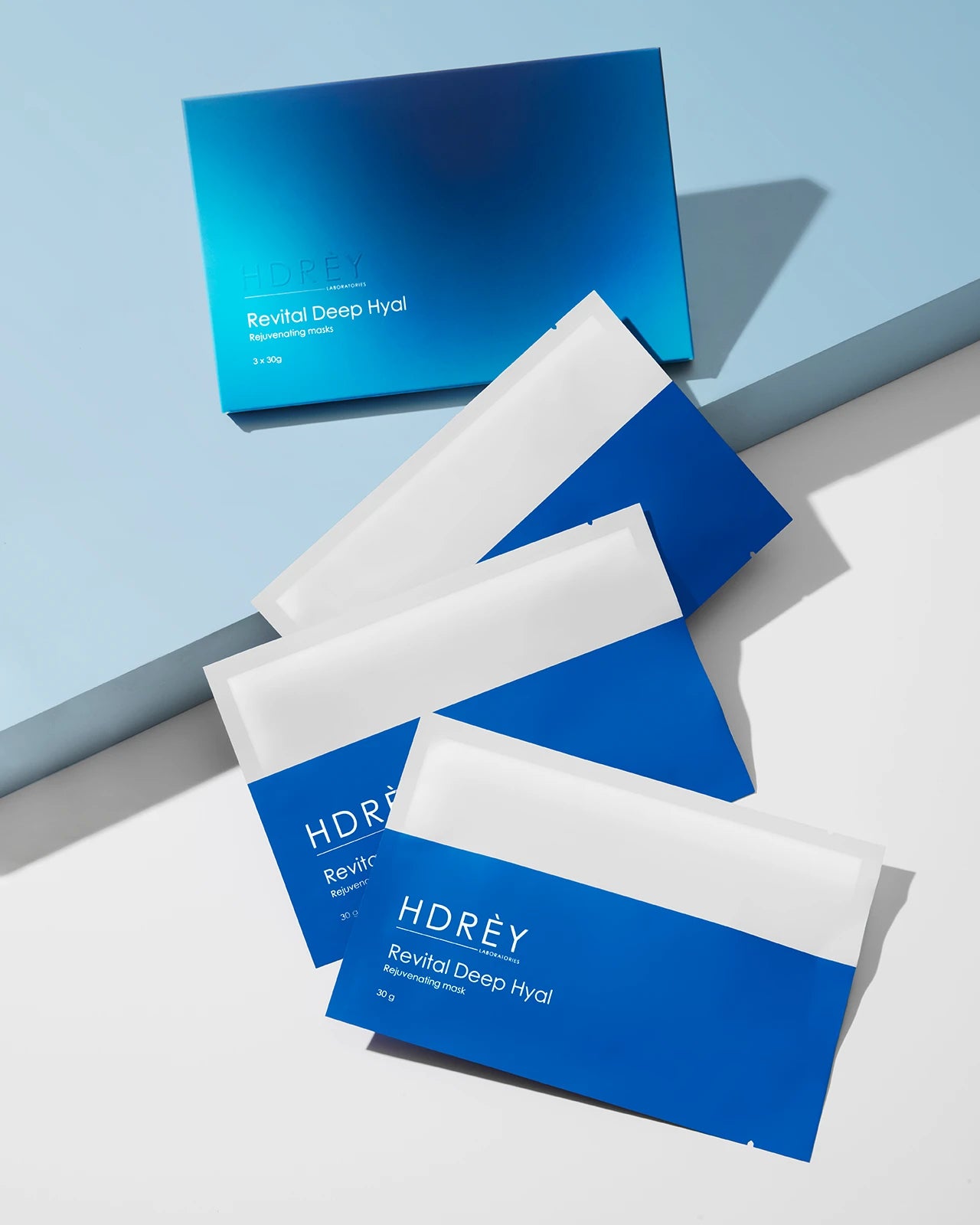
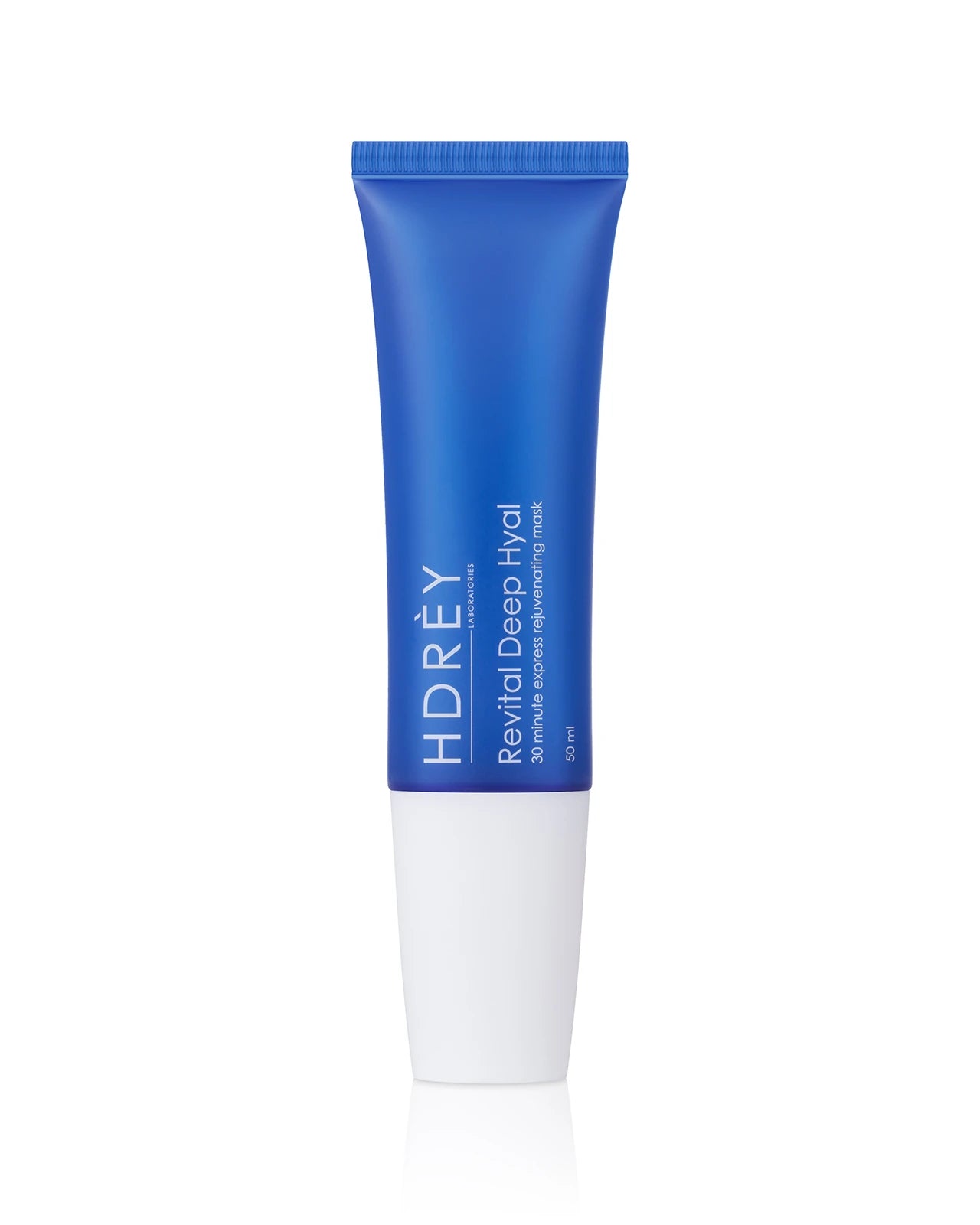
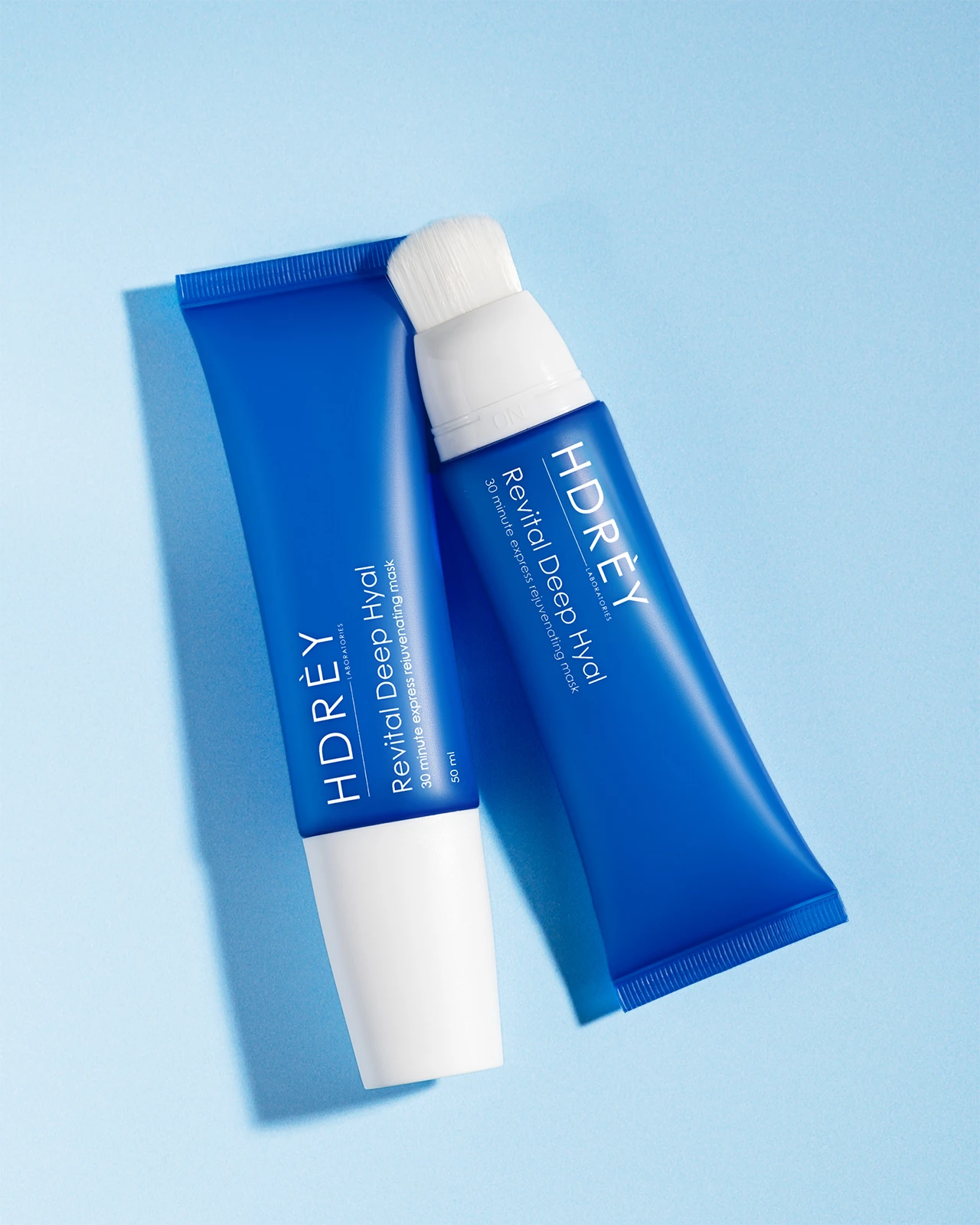
Revital Deep Hyal Regenerating sheet masks with 4 forms of hyaluronic acid and trehalose 3x30gRegular price 95,00 zł
Quickshop
Revital Deep Hyal Regenerating sheet masks with 4 forms of hyaluronic acid and trehalose 3x30gRegular price 95,00 zł -

 Quickshop
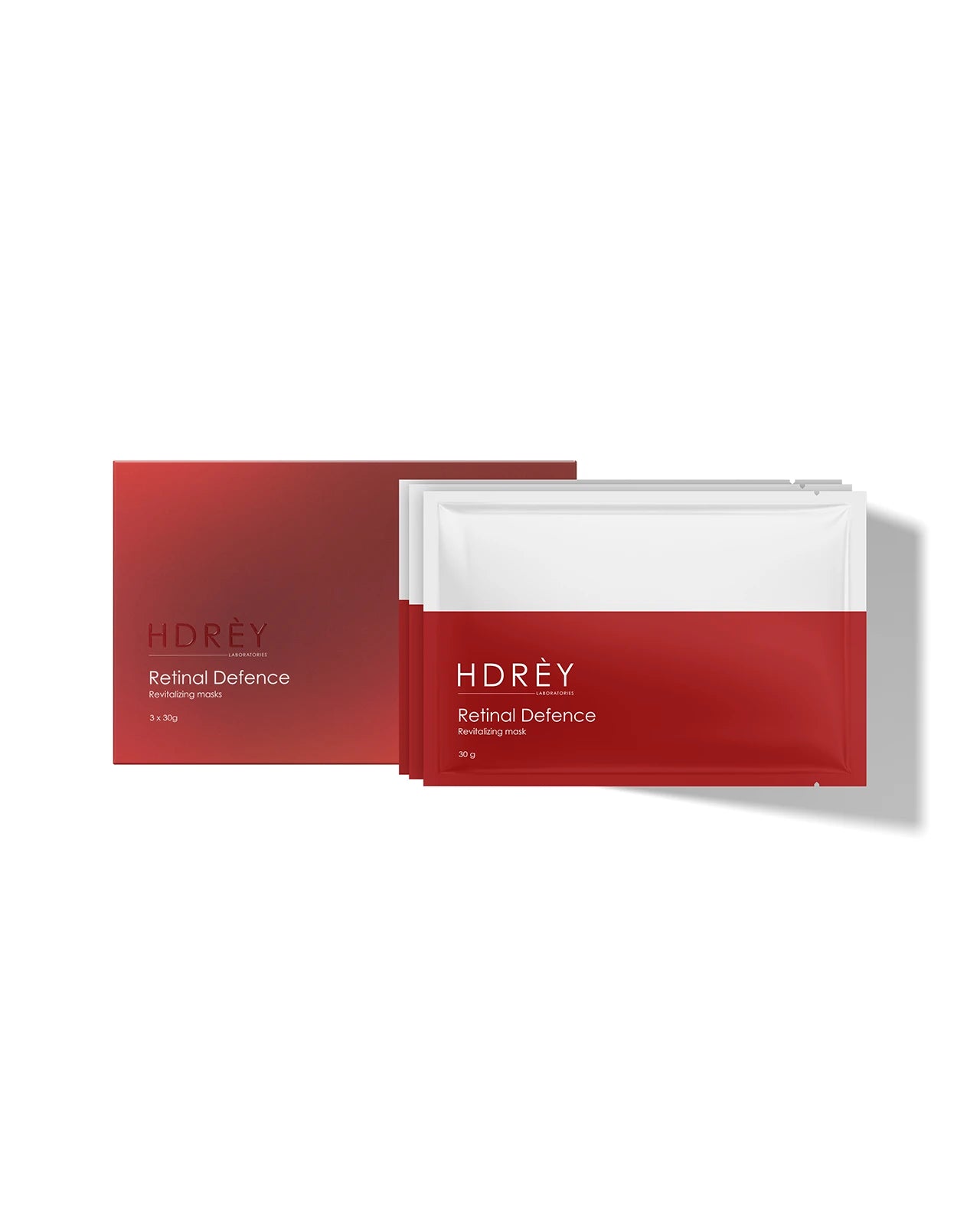
Retinal Defence Highly revitalizing sheet masks with retinal and vitamin C 3x30gRegular price 115,00 zł
Quickshop
Retinal Defence Highly revitalizing sheet masks with retinal and vitamin C 3x30gRegular price 115,00 zł -
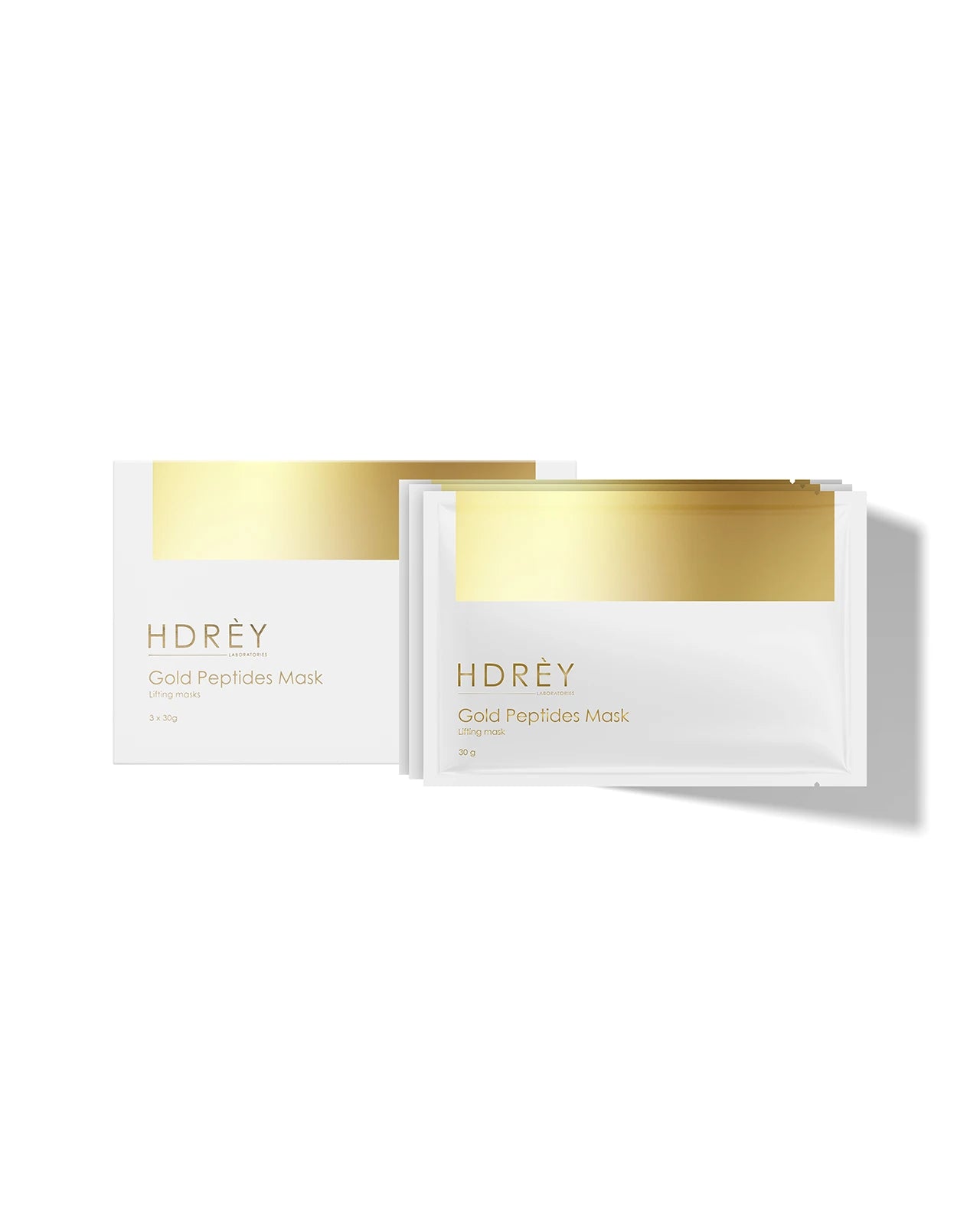
Gold Peptides Lifting and hydrating sheet masks with peptides and hyaluronic acid 3x30gRegular price 105,00 zł
-

 Quickshop
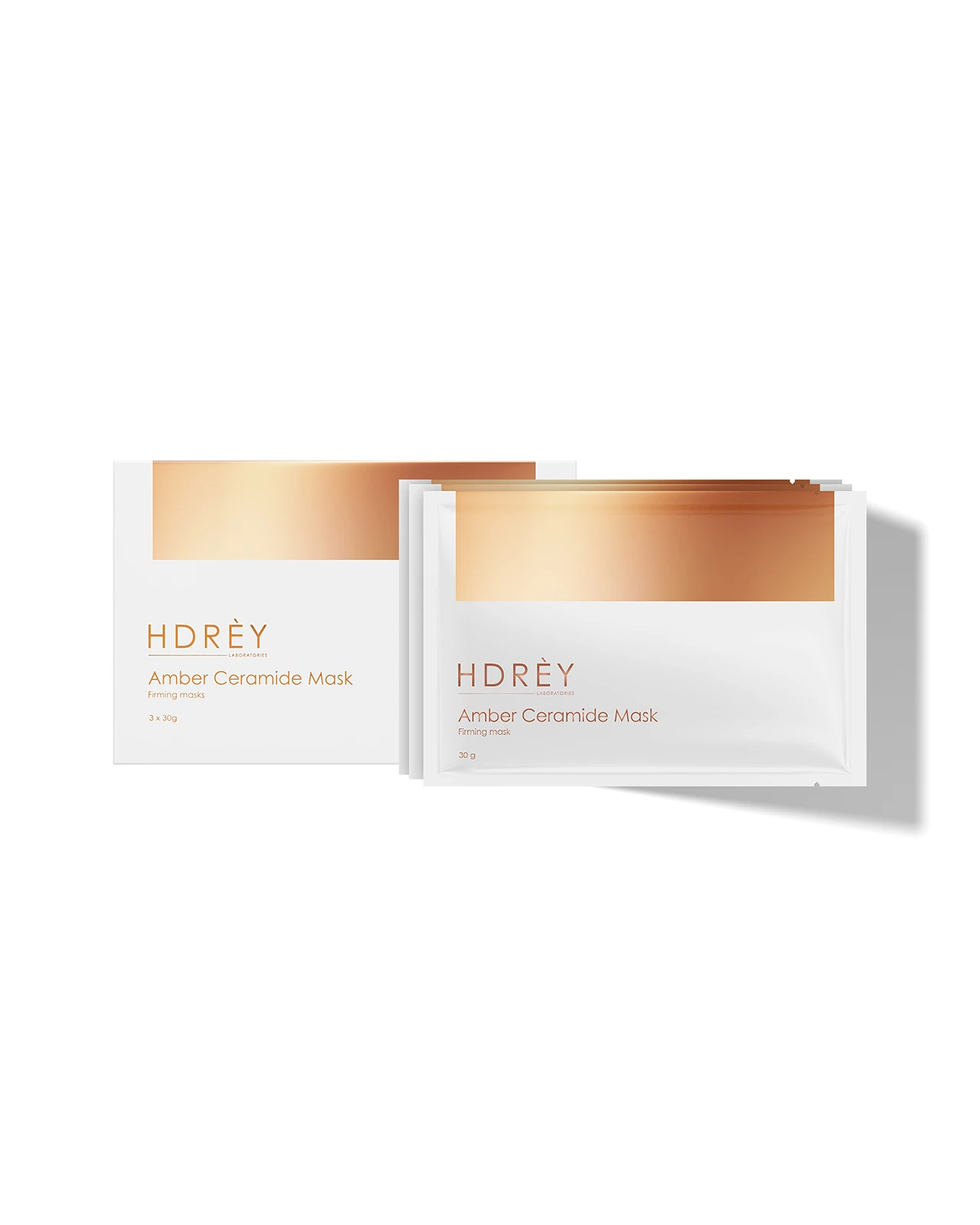
Amber Ceramide Firming and regenerating sheet masks with ceramides and amber extract 3x30gRegular price 105,00 zł
Quickshop
Amber Ceramide Firming and regenerating sheet masks with ceramides and amber extract 3x30gRegular price 105,00 zł -

 Quickshop
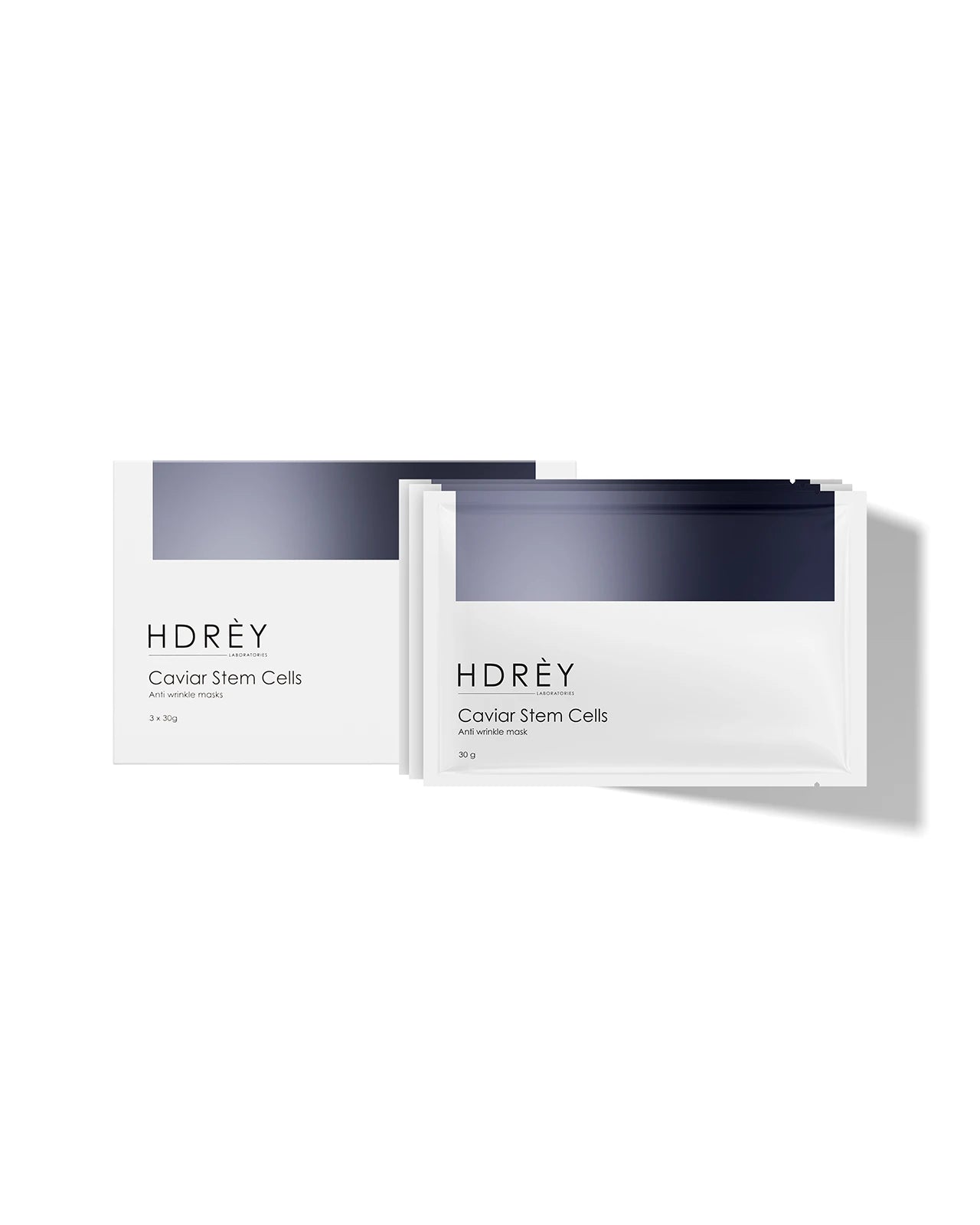
Caviar Stem Cells Anti-wrinkle sheet masks with caviar extract and hyaluronic acid 3x30gRegular price 115,00 zł
Quickshop
Caviar Stem Cells Anti-wrinkle sheet masks with caviar extract and hyaluronic acid 3x30gRegular price 115,00 zł -

 Quickshop
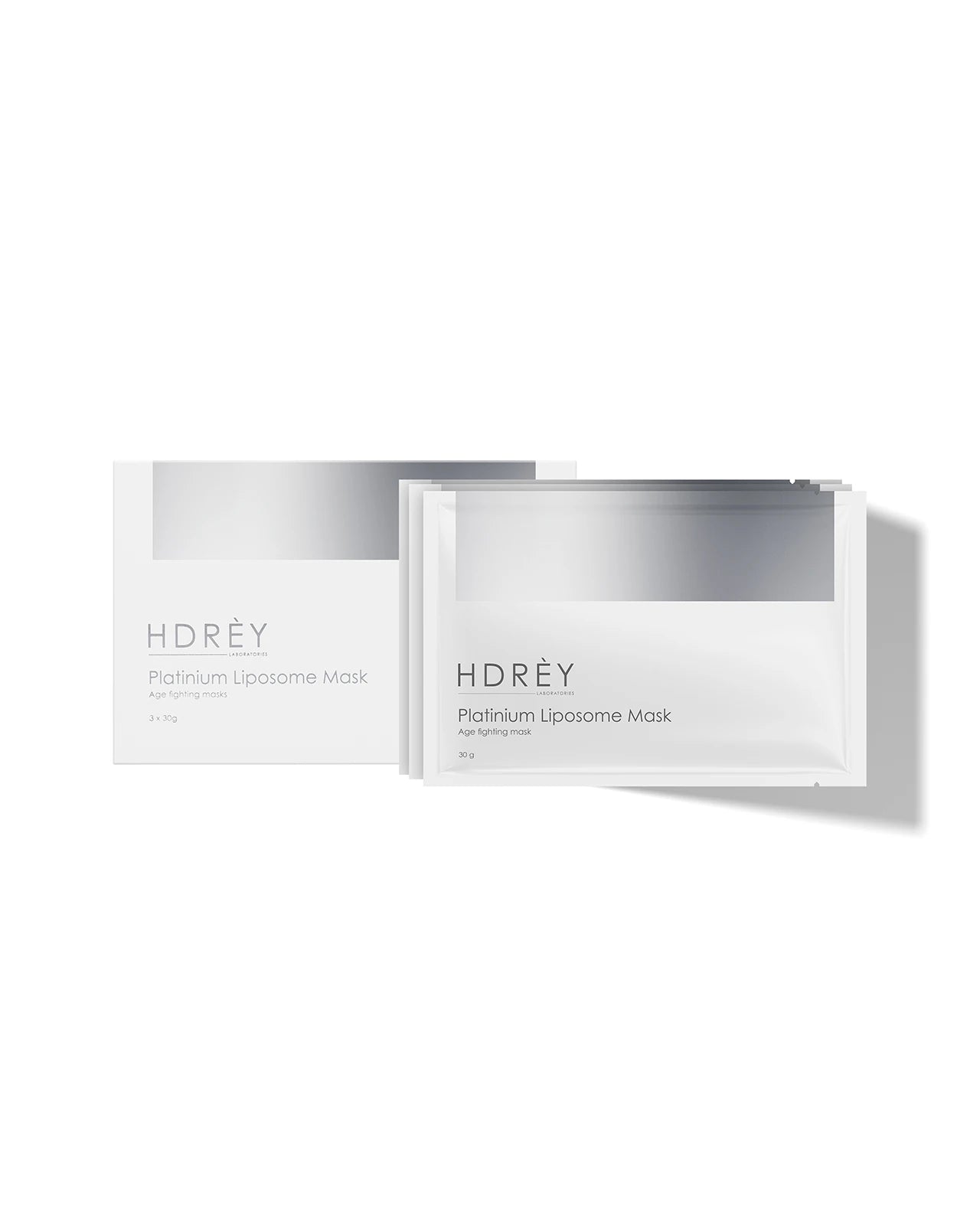
Platinum Liposome Anti-aging and regenerating sheet masks with niacinamide and hyaluronic acid 3x30gRegular price 125,00 zł
Quickshop
Platinum Liposome Anti-aging and regenerating sheet masks with niacinamide and hyaluronic acid 3x30gRegular price 125,00 zł -

 Quickshop
vitamin C Antioxidant and brightening face mask with applicator and vitamin C 35% 50mlRegular price 115,00 zł
Quickshop
vitamin C Antioxidant and brightening face mask with applicator and vitamin C 35% 50mlRegular price 115,00 zł -

 Quickshop
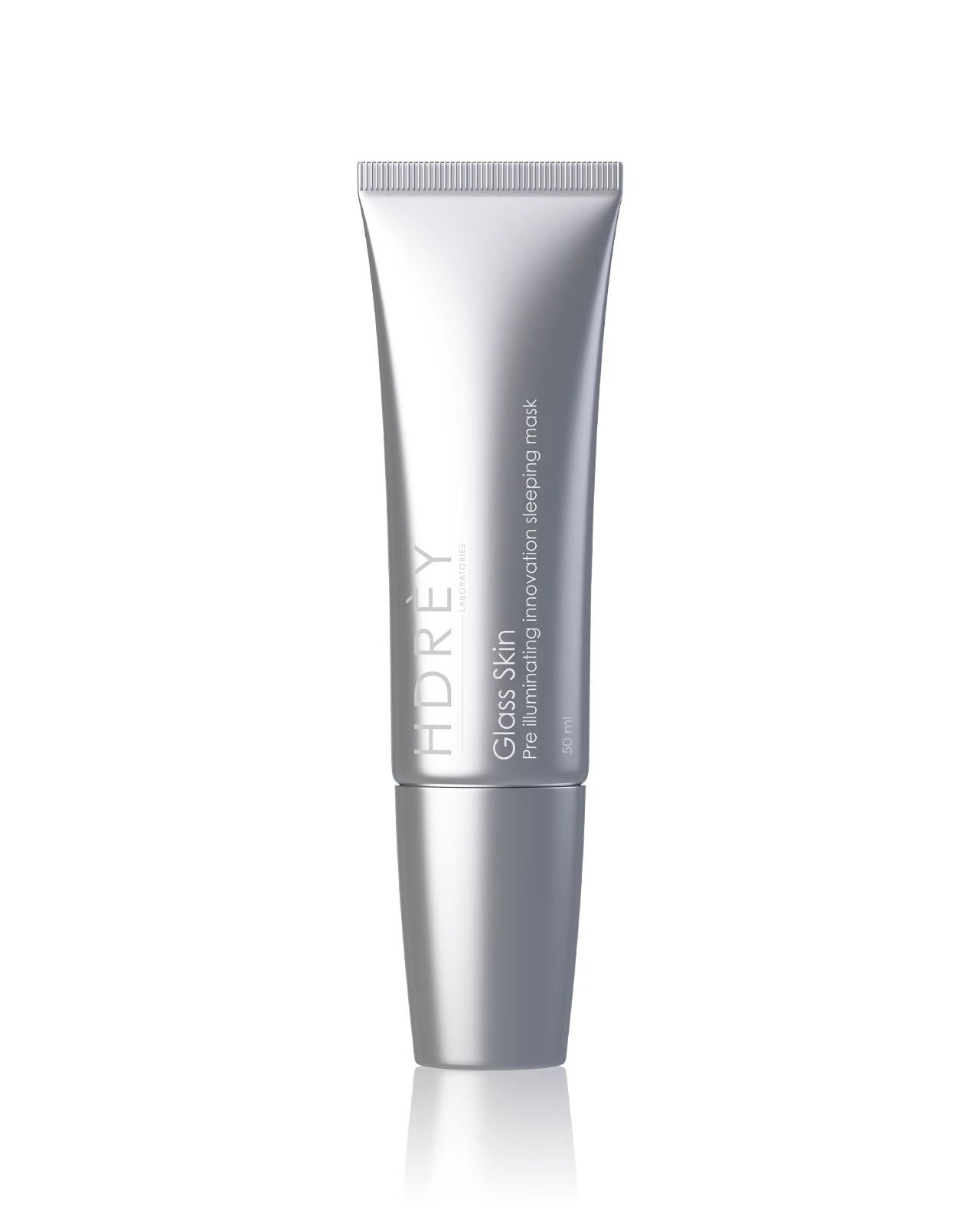
GLASS SKIN Glass Skin Sleeping Mask - Illuminating mask with applicator 50mlRegular price 125,00 zł
Quickshop
GLASS SKIN Glass Skin Sleeping Mask - Illuminating mask with applicator 50mlRegular price 125,00 zł -

 Quickshop
-

 Quickshop
-

 Quickshop
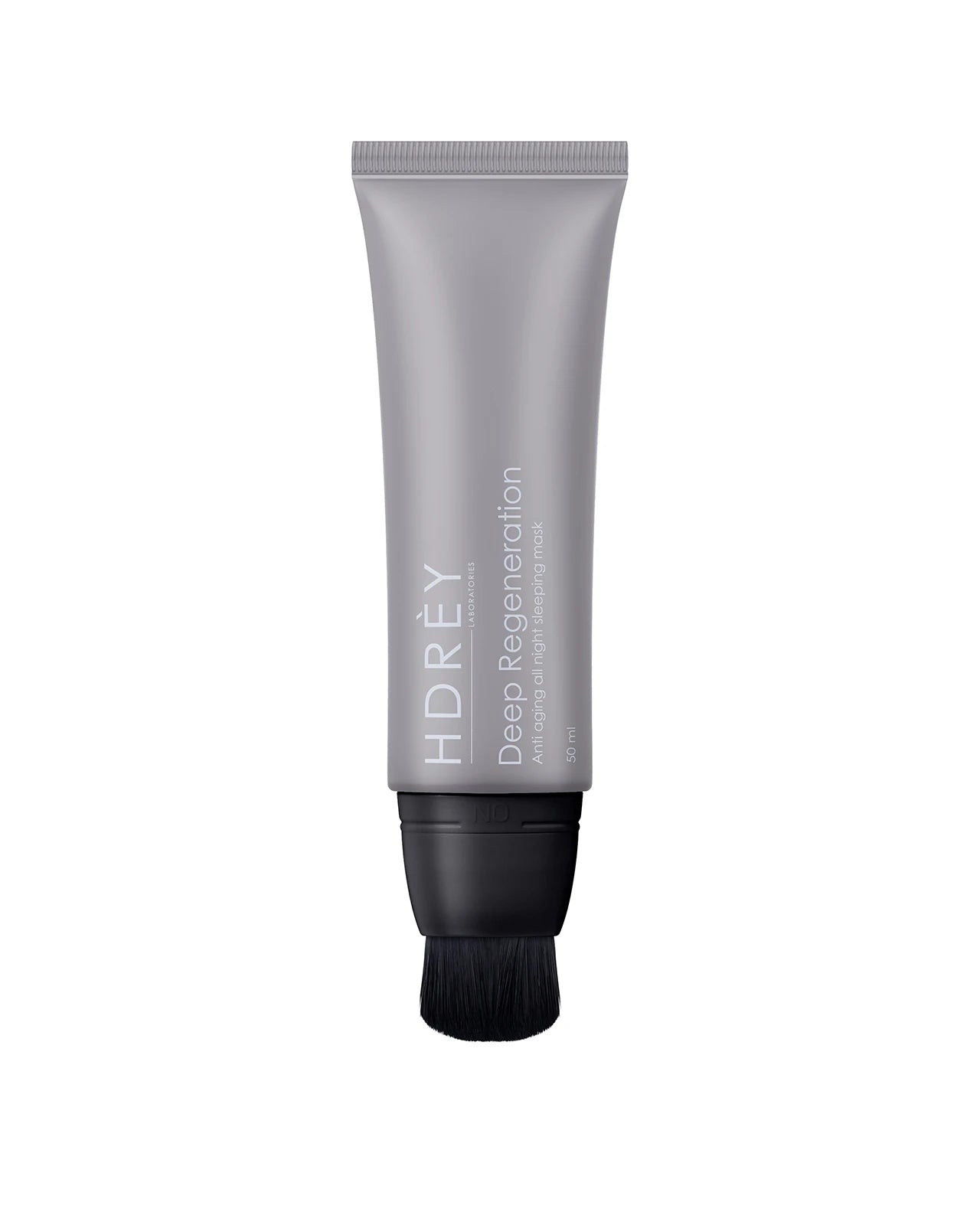
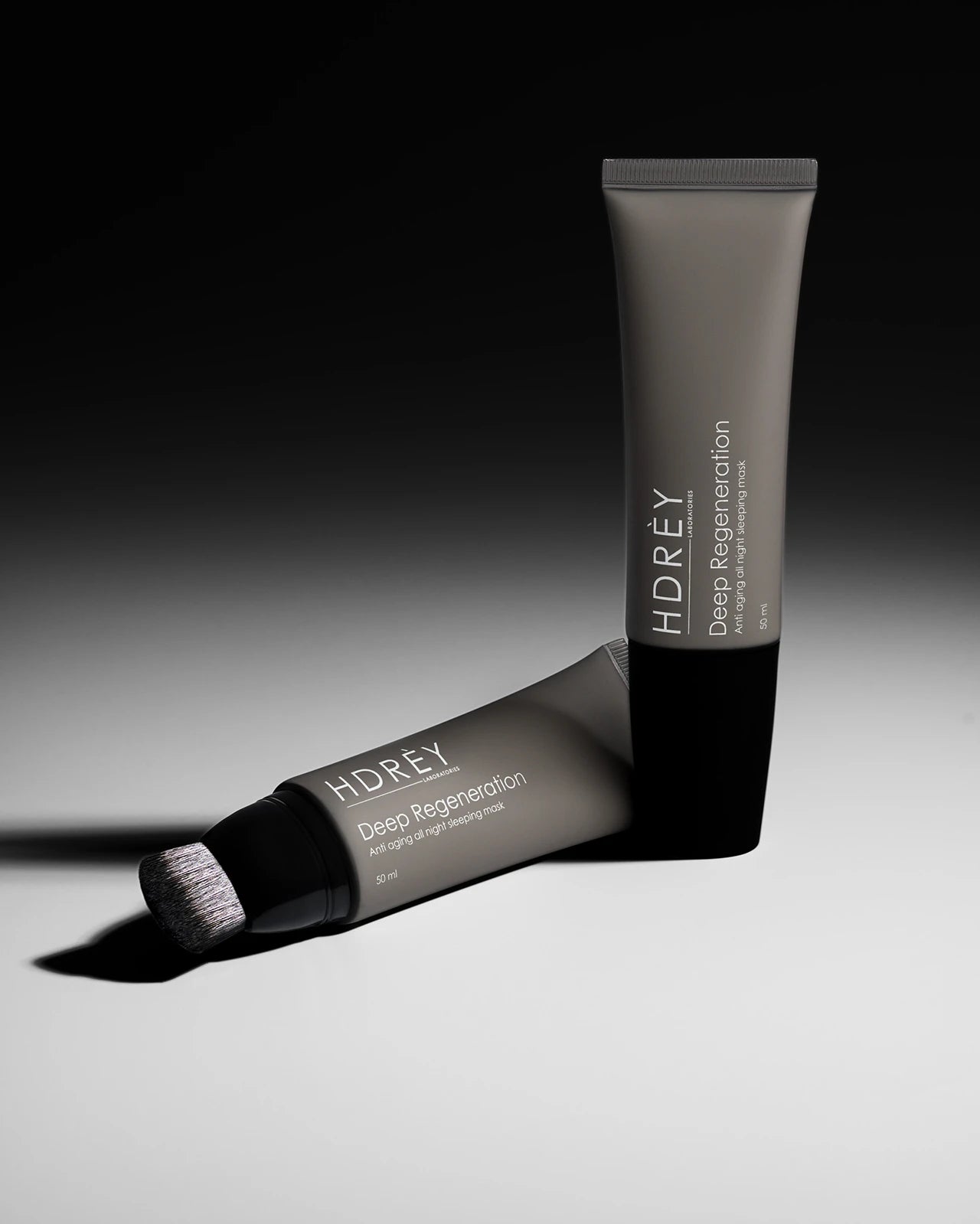
Deep Regeneration Anti-wrinkle, intensive regenerating night face mask with applicator 50mlRegular price 135,00 zł
Quickshop
Deep Regeneration Anti-wrinkle, intensive regenerating night face mask with applicator 50mlRegular price 135,00 zł -

 Quickshop
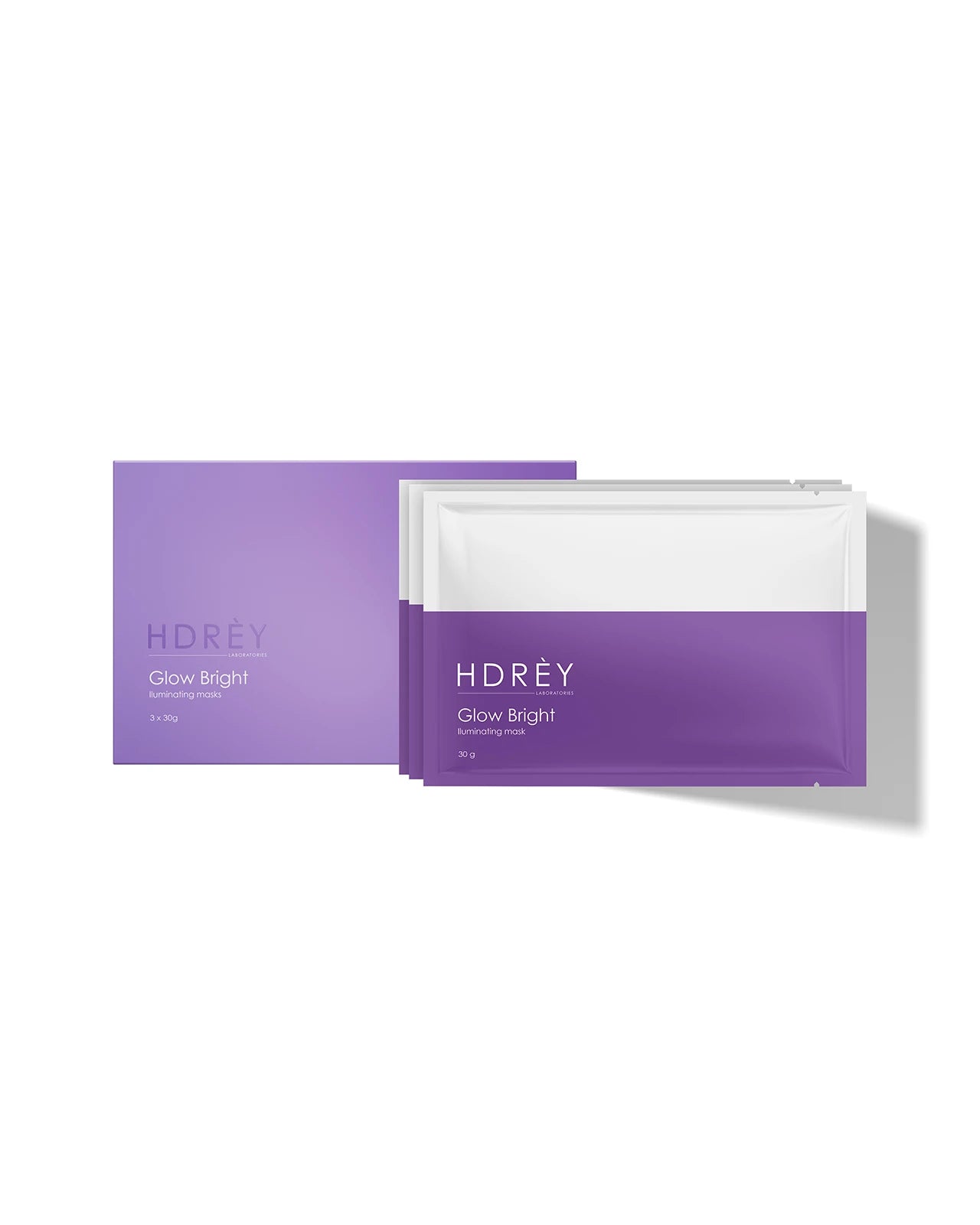
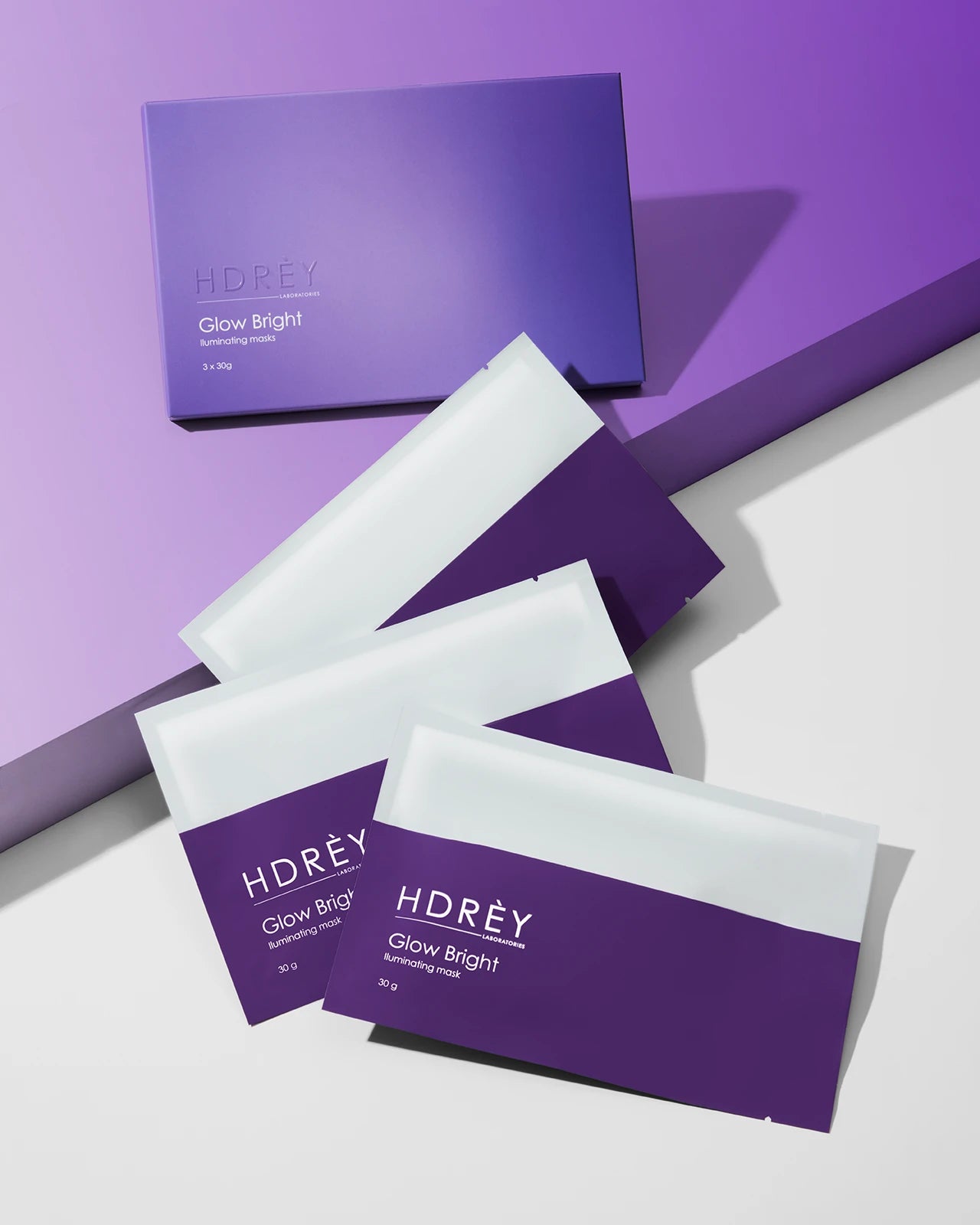
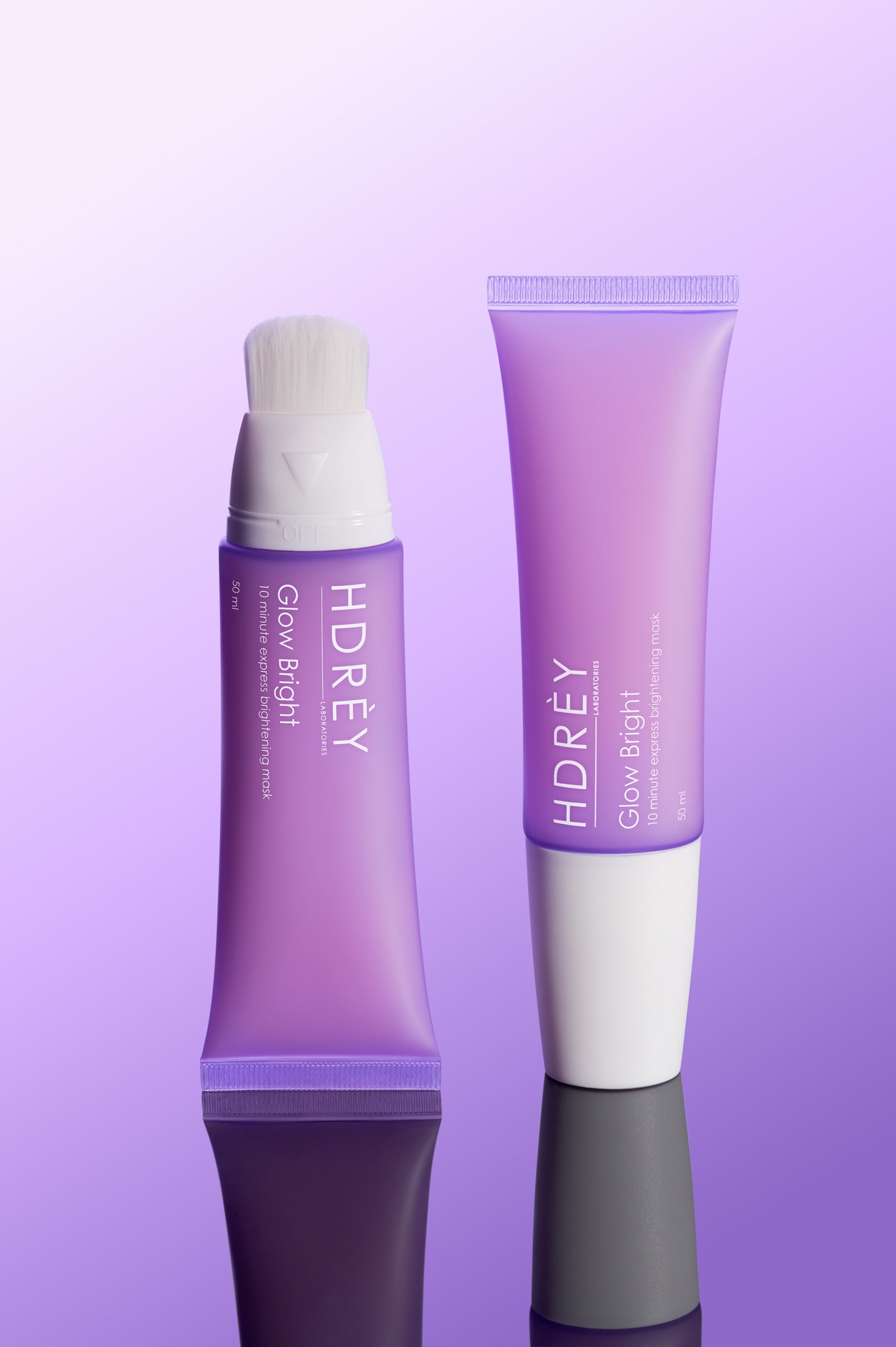
Glow Bright Brightening express mask with applicator with vitamin C and niacinamide 50 mlRegular price 115,00 zł
Quickshop
Glow Bright Brightening express mask with applicator with vitamin C and niacinamide 50 mlRegular price 115,00 zł -

 Quickshop
-

 Quickshop
-

 Quickshop
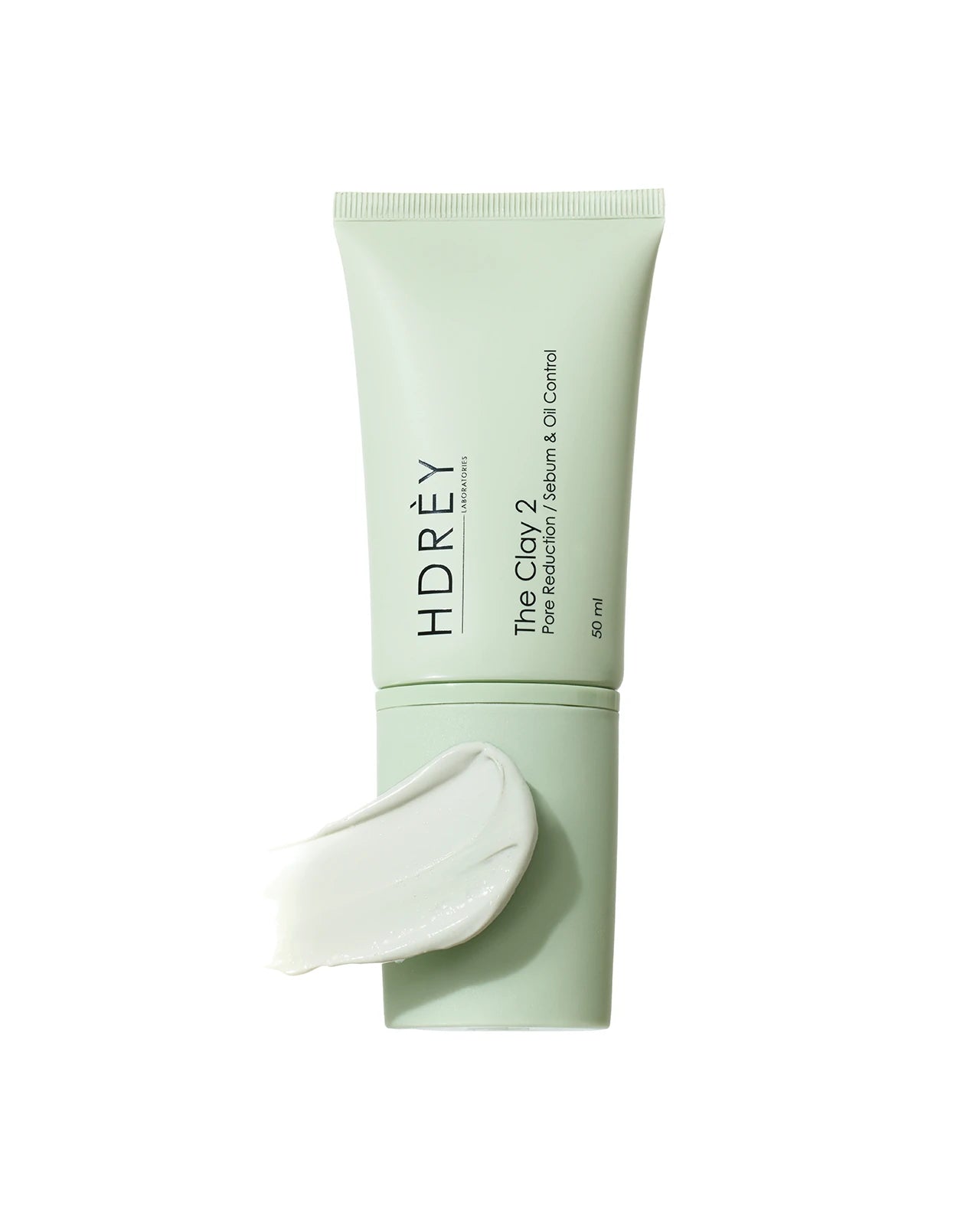
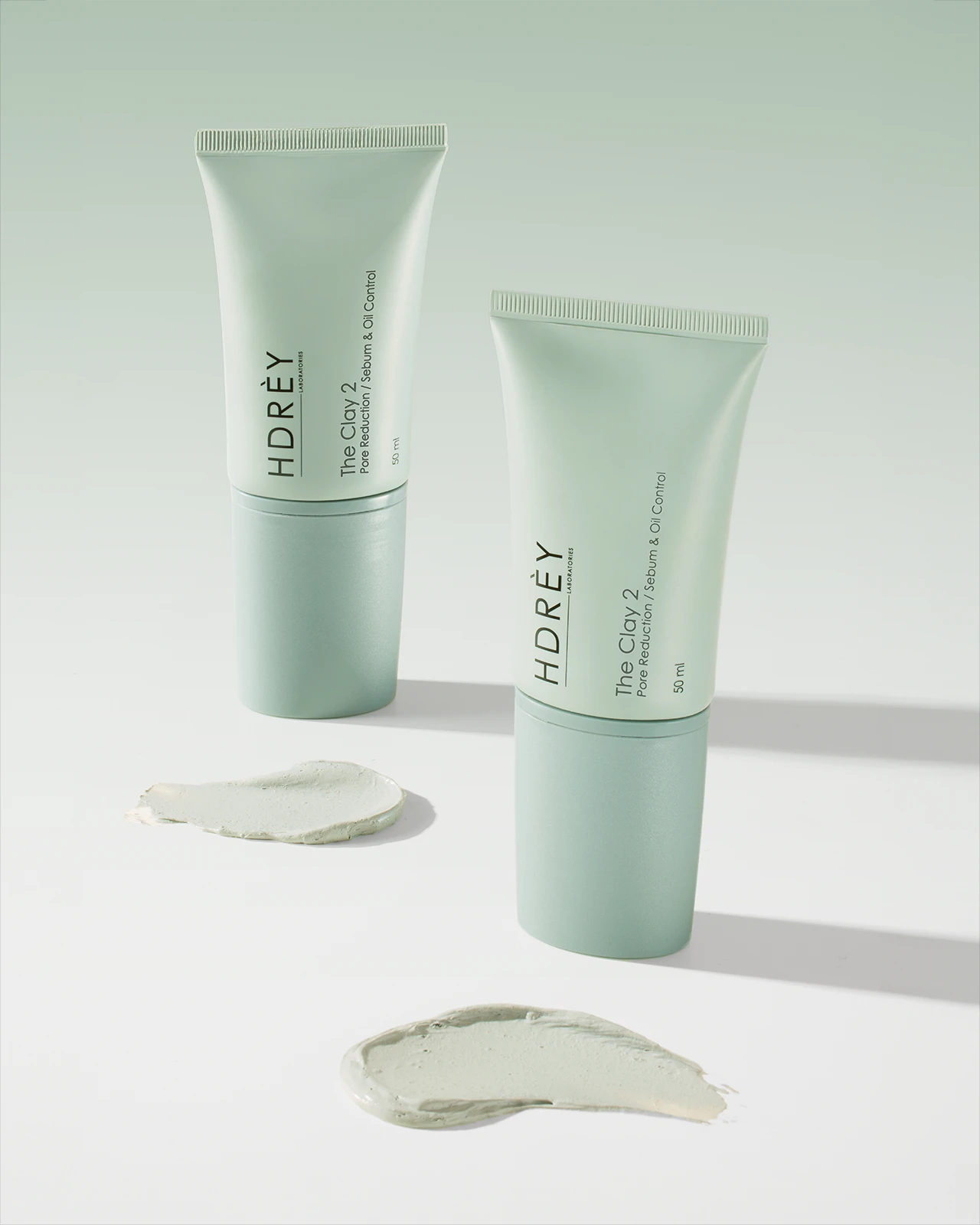
The Clay The Clay 2 Antibacterial Mask with Green Clay and Centella Asiatica Extract 50 mlRegular price 75,00 zł
Quickshop
The Clay The Clay 2 Antibacterial Mask with Green Clay and Centella Asiatica Extract 50 mlRegular price 75,00 zł -

 Quickshop
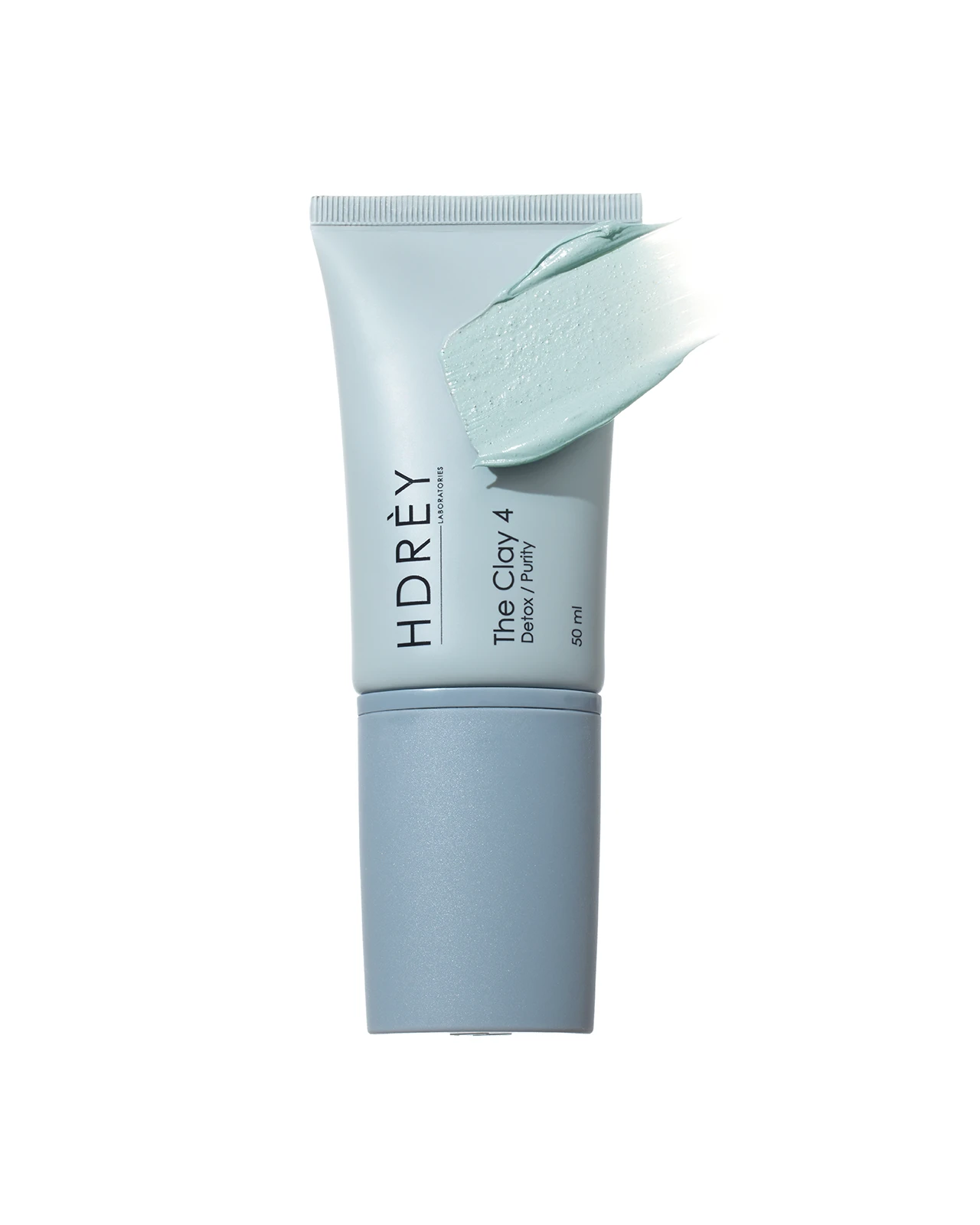
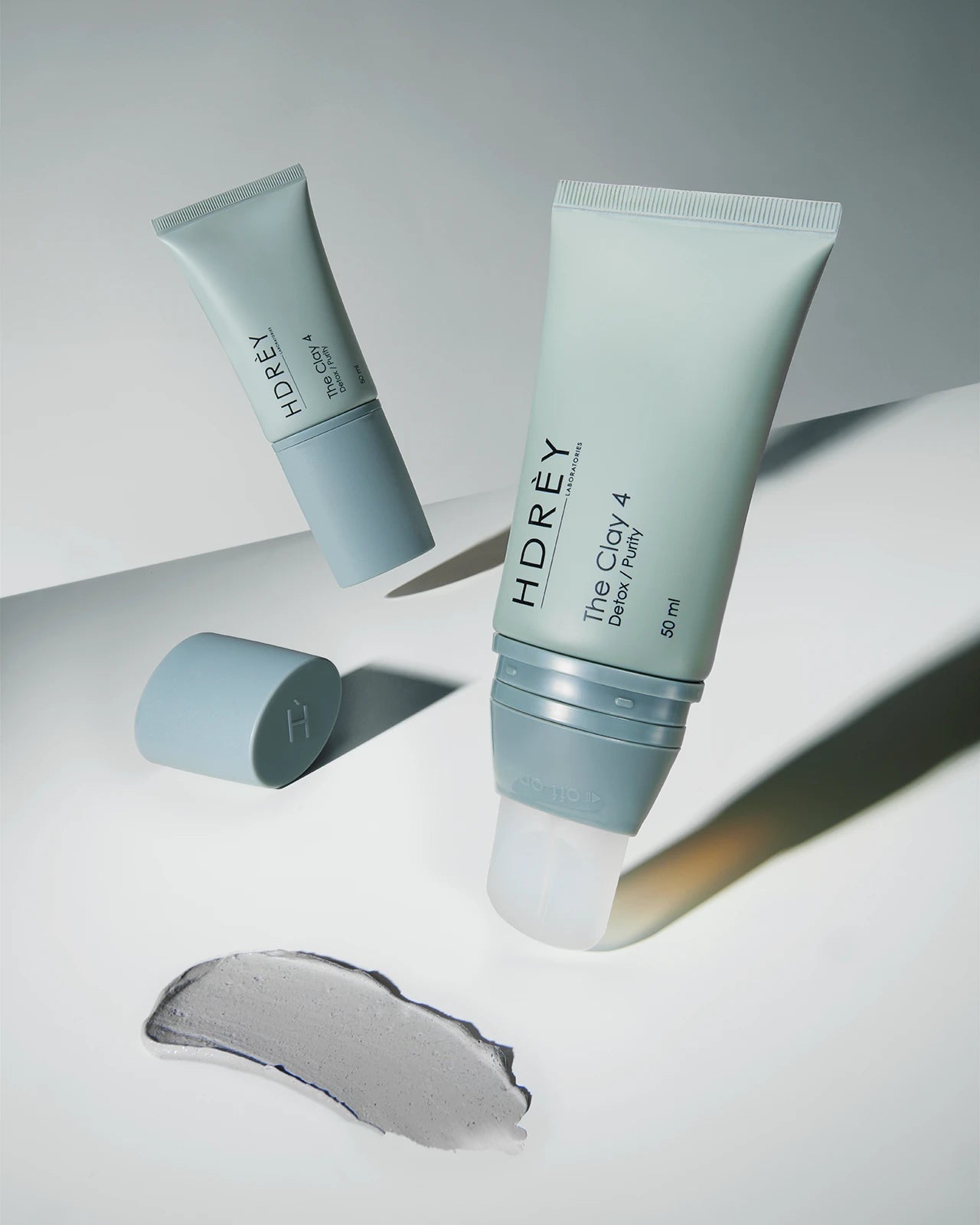
The Clay The Clay 4 Purifying mask with Moroccan clay and mandelic acid 50 mlRegular price 75,00 zł
Quickshop
The Clay The Clay 4 Purifying mask with Moroccan clay and mandelic acid 50 mlRegular price 75,00 zł -

 Quickshop







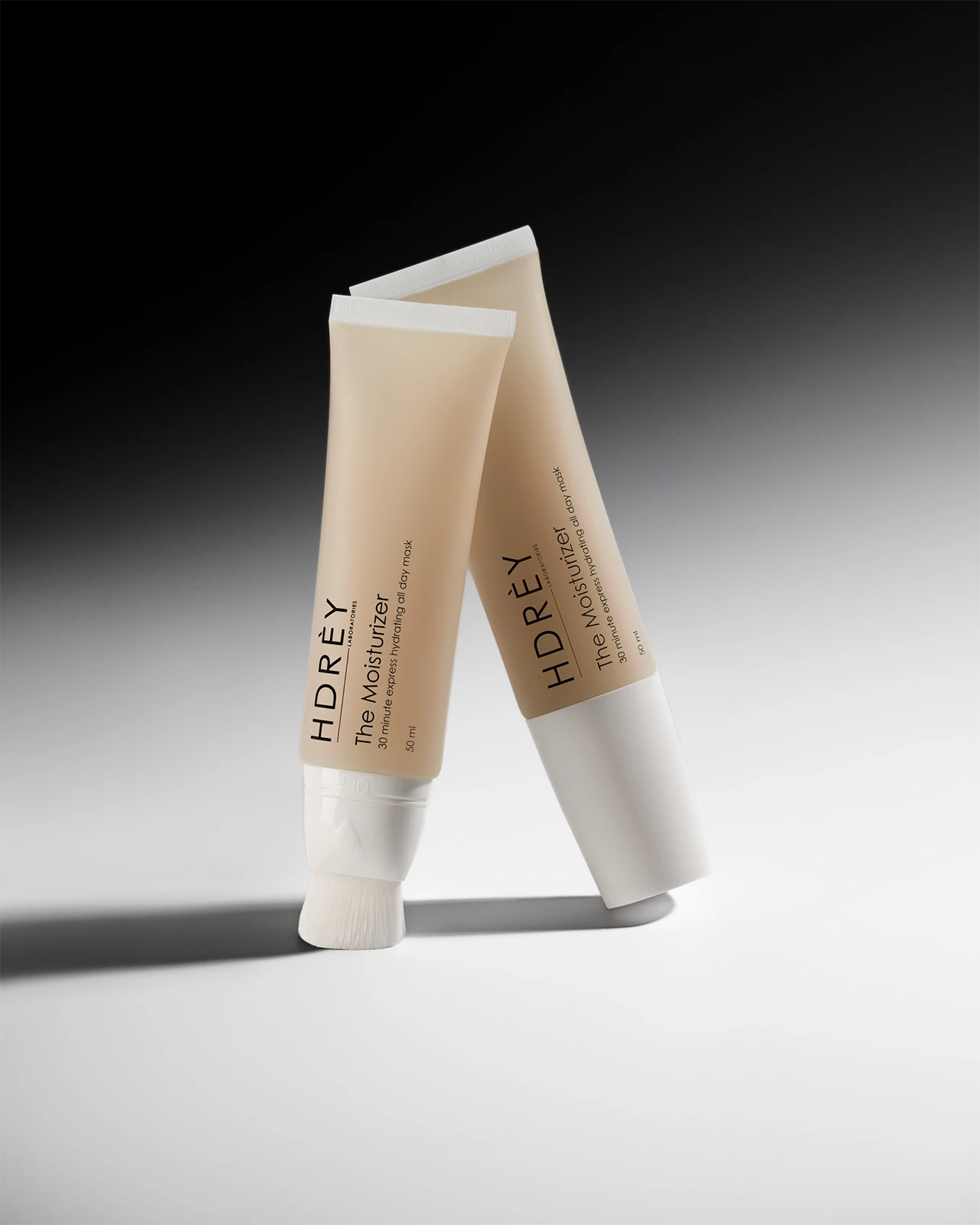



BESTSELLERS






FAQ - Frequently Asked Questions
Can a face mask replace a cream? Differences in action
Despite its rich composition, a mask should not replace your daily cream. Its task is to deliver a shock dose of ingredients as part of an intensive treatment, while a cream acts as a protective shield applied morning and evening. A mask acts as a professional booster that strengthens the foundations laid by standard skincare. You will achieve the best results by using both products in tandem—the cream will maintain the effects achieved by the mask.
How often should purifying clay masks be used? Application frequency
For oily and combination skin, the optimal solution is using clay 1-2 times a week. This allows for effective pore cleansing and sebum reduction. For dry or sensitive skin, one application every two weeks is sufficient. Remember to match the type of clay to your skin's delicacy—white or pink clay will be a much milder choice than a strong-acting green clay.
Does a sheet mask need to be washed off after use? Principles of occlusion
The essence a sheet mask is soaked in is a type of highly concentrated serum that should not be washed off. After removing the mask, gently massage the remaining liquid into your face, neck, and décolletage. Washing the product off with water would deprive your skin of its most valuable benefits. Allow the ingredients to fully absorb, and then apply your favorite cream to "lock" the hydration into the epidermis.
What moisturizing masks are best for mature skin? Rejuvenating ingredients
Mature skin will appreciate formulas combining multi-molecular hyaluronic acid with peptides and lipids. Look for products containing antioxidants, such as vitamin C or ferulic acid, which protect against free radicals. The addition of shea butter or argan oil will help rebuild the protective barrier, translating into visible firming and smoothing of fine expression lines.
When is the best time to apply an overnight mask? Evening regeneration
Sleeping masks are best applied about 30 minutes before bedtime. It is at night that cell division processes are most intensive, and the skin absorbs nutrients best. Use them 2-3 times a week as the final step of your evening routine. In the morning, after a standard facial cleanse, your skin will look regenerated, fresh, and exceptionally soft to the touch.