ORLEN paczka 24/7

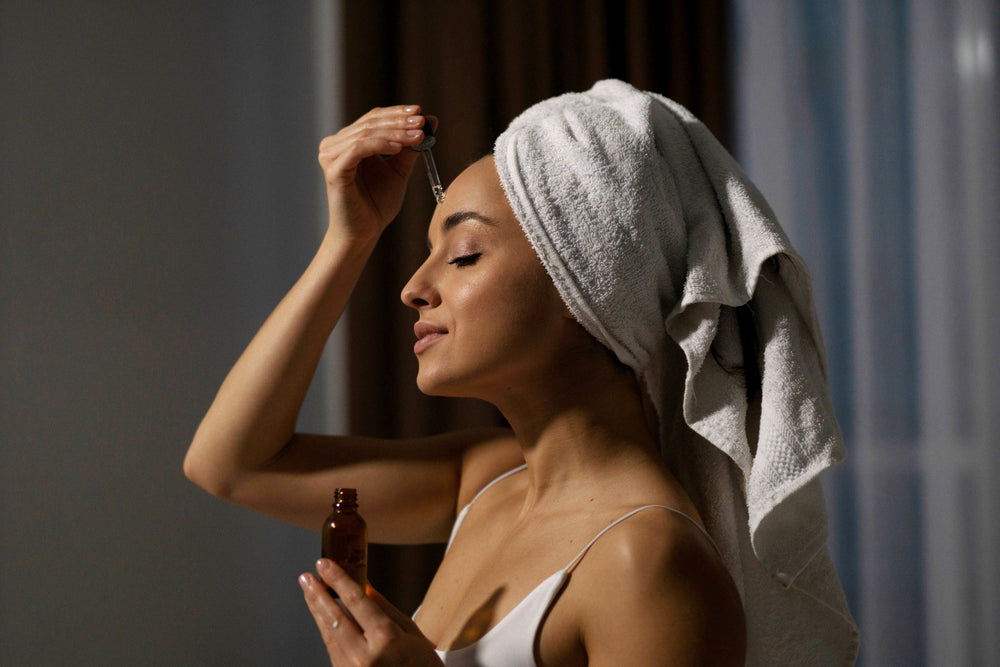
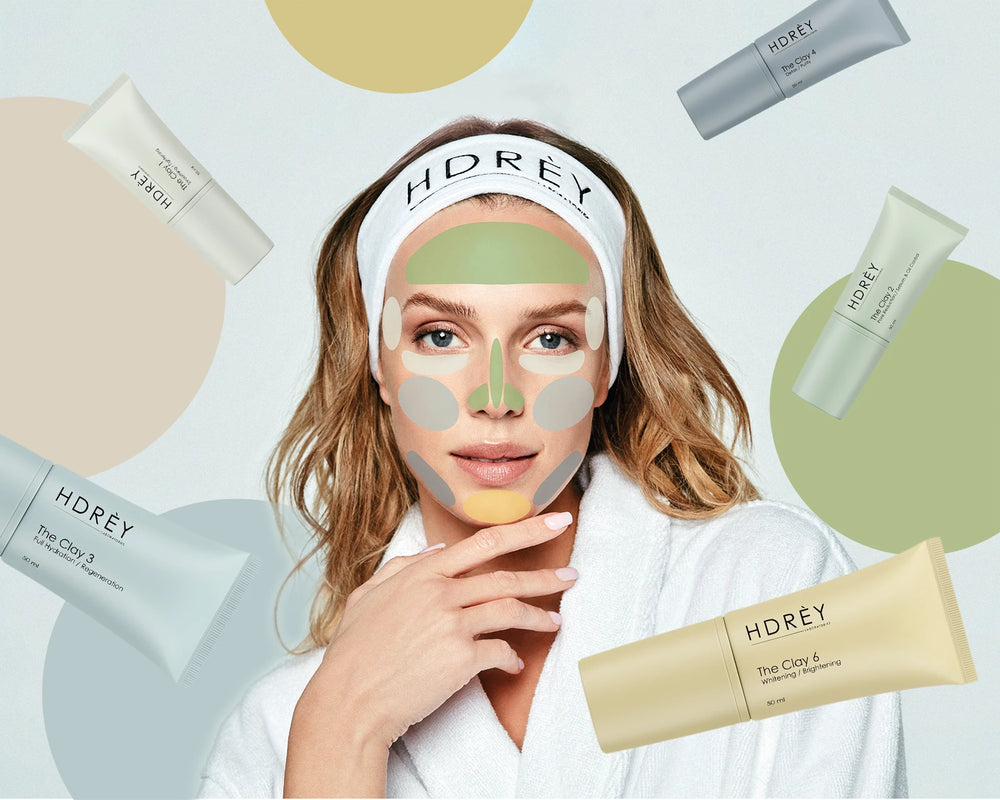


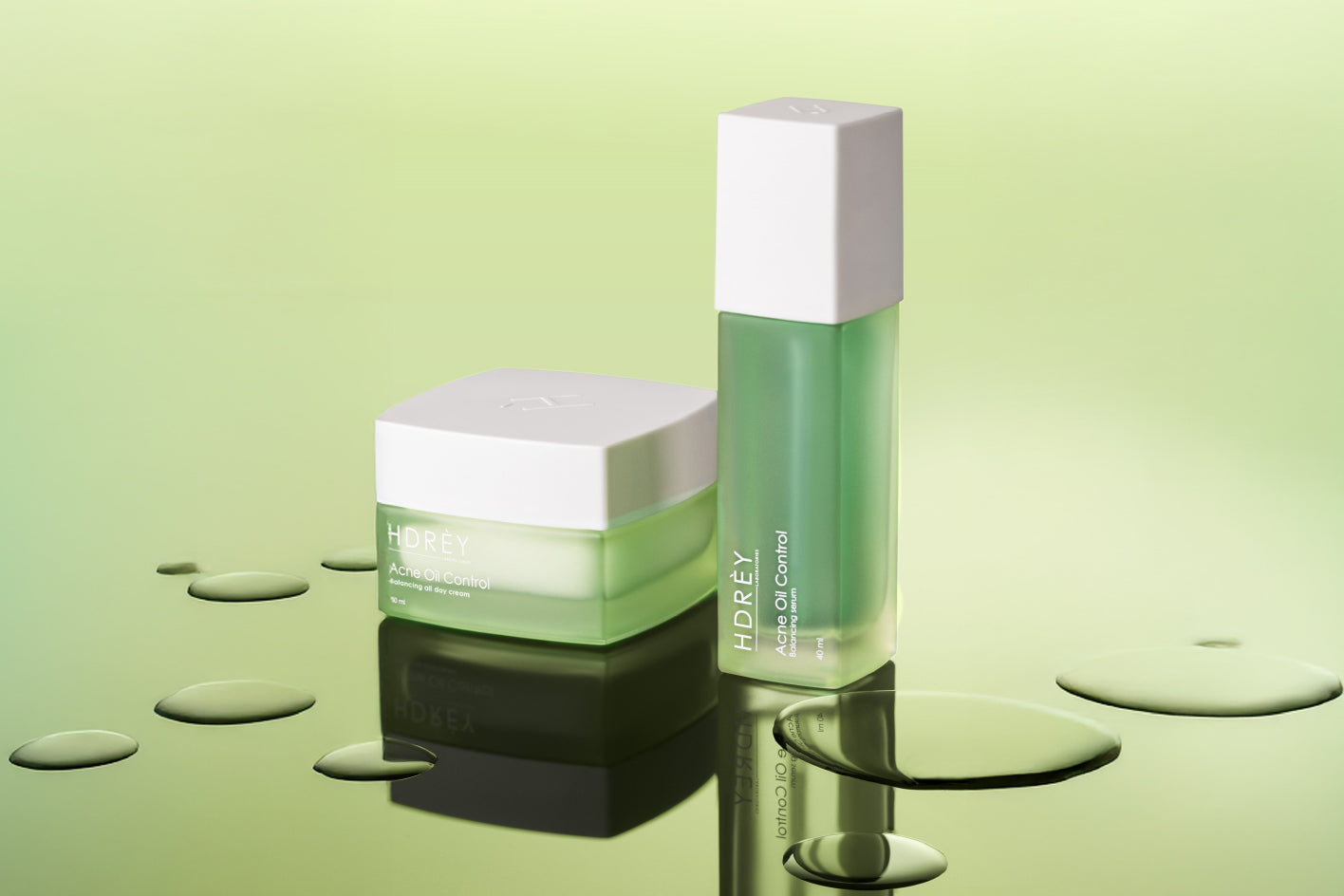
The sun is just rising, soft light filters through the curtains, and you, with a cup of your favorite tea, approach the mirror. You know that feeling, don't you? That moment when you see more than just a tired face from a sleepless night in your reflection. It's that stubborn, red "something," a new blackhead, or perhaps a painful subcutaneous cyst that reminds you of its presence with every facial muscle movement. Acne. Again. Not in your teenage years, but here and now, in the prime of your adult life. We understand that it's frustrating, painful, and can effectively undermine self-confidence. But we assure you: you're not alone, and your story doesn't have to end with fighting every new breakout. As the chief editor of HDREY and a beauty expert, I'm here to guide you through the world of conscious skincare that will restore your skin's balance and radiance.
Why does acne return or appear in adulthood? Understanding the skin inside out
Before we delve into the world of face care cosmetics and rituals, we need to understand why adult acne is so common and often more persistent than teenage acne. It's not a matter of poor hygiene or "maturing" at the wrong time. Our skin is a complex organ that reacts to many factors – both internal and external. The main causes include:
- Hormonal fluctuations: Stress, the menstrual cycle, pregnancy, menopause, and even some medications can affect androgen levels, leading to overproduction of sebum and clogged pores.
- Stress: Chronic stress raises cortisol levels, which in turn stimulates the sebaceous glands to work harder. This is a direct path to the formation of blackheads and inflammation.
- Genetics: If your parents suffered from adult acne, there's a higher probability that you will also struggle with it.
- Diet: Although research is still ongoing, more and more evidence points to a link between high glycemic index foods, dairy, and the exacerbation of acne lesions.
- Improper care: Using overly aggressive products that disrupt the skin's hydrolipid barrier can paradoxically lead to even greater sebum production and irritation.
- Oxidative stress: Exposure to environmental pollution, UV radiation, and an unhealthy lifestyle leads to the formation of free radicals. They damage skin cells, disrupting its natural balance and key regenerative processes. As a result, inflammation intensifies, and the healing of facial imperfections becomes more difficult and prolonged.
Our skin has its own circadian rhythm, during which intense renewal processes occur. At night, there is increased cellular regeneration, which is why it is so important to support it with appropriate care. HDREY's philosophy is based on minimalism and quality. Instead of overwhelming the skin with dozens of products, we focus on a few, but effective and well-chosen formulas that work synergistically, supporting the skin's natural processes without overburdening it. Less is more, especially when it comes to problematic skin.
Comprehensive skincare routine for acne-prone skin – step by step
Creating an effective routine is key to success in the fight against acne-prone skin. Here's our guide to help you regain control over your skin.
Step 1: Gentle cleansing – the foundation of healthy skin
Cleansing is an absolute must, but for acne-prone skin, gentleness is the keyword. Forget aggressive gels with SLS that dry out the skin and disrupt its protective barrier. In the evening, opt for double cleansing. Start with a hydrophilic oil or balm that will dissolve makeup, sebum, and impurities without disturbing the natural lipid layer. Then use a mild gel or foam without SLS/SLES, preferably with prebiotics that support the skin's microbiome. In the morning, a gentle foam or gel is sufficient. Remember to always wash your face with lukewarm water and gently pat it dry with a clean towel, not rub. This is a fundamental step that not only reduces blackheads and overall facial imperfections but also builds a solid foundation for healthy, radiant skin.
Looking for suitable products? Check out our collection of face cleansing cosmetics.
Step 2: Toning – restoring pH balance
After washing, the skin needs its natural pH restored. Toner is not just a refresher but an important step that prepares the skin to absorb subsequent active ingredients. Choose an alcohol-free toner with mild acids (PHA, LHA in low concentrations) or soothing and moisturizing ingredients such as niacinamide, panthenol, allantoin, or plant hydrolates. Gently apply it with your hand or a cotton pad, avoiding the eye area.
Step 3: Serum – a concentrated dose of active ingredients
Serum is the heart of your skincare routine, where you can focus on specific problems. For acne-prone skin, especially adult acne, we recommend:
- Niacinamide (vitamin B3): Regulates sebaceous glands, reduces inflammation, lessens redness, and strengthens the skin barrier. Ideal for most skin types.
- Salicylic acid (BHA): Fat-soluble, penetrates pores, cleansing them of sebum and dead skin cells, effectively reducing blackheads. Use it in lower concentrations, 2-3 times a week.
- Bakuchiol: A plant-based alternative to retinol, it has anti-inflammatory and antibacterial properties and supports cellular renewal, minimizing irritation.
- Pre- and probiotics: Support a healthy skin microbiome, which is crucial in the fight against acne and inflammation.
- Vitamin C: A powerful antioxidant, brightens post-inflammatory hyperpigmentation and evens out skin tone.
Choose a serum tailored to your skin's current needs and gently pat it in with your fingertips.
Step 4: Moisturizing – key to a healthy barrier
Contrary to popular myths, acne-prone skin also needs moisturizing. Lack of moisture can lead to dry skin, which in turn provokes the sebaceous glands to produce even more sebum. Choose a lightweight moisturizer, preferably with an oil-free formula or with a low content of comedogenic ingredients that won't clog pores. Look for ingredients such as hyaluronic acid, ceramides, squalane, trehalose. Moisturizing supports skin regeneration and strengthens its protective barrier.
You can find many effective moisturizers in our acne cosmetics offer.
Step 5: Sun protection – an absolute must-have
SPF filter is your shield. UV radiation not only accelerates skin aging but also worsens inflammation, leads to the formation of post-inflammatory hyperpigmentation, and thickens the stratum corneum, which can promote the formation of blackheads. Use a lightweight, non-comedogenic cream with SPF 30 or 50 every day, regardless of the weather. This is the most effective prevention against unsightly scars and discoloration after acne.
Step 6: Supplementary care (1-2 times a week)
- Gentle peels: Instead of mechanical scrubs with particles that can irritate and spread bacteria, choose an enzymatic peel or a gentle acid peel (e.g., with PHA or LHA acids) 1-2 times a week. They gently exfoliate dead skin cells, unclog pores, and improve skin texture.
- Masks: Clay masks (green, white, pink), moisturizing masks with hyaluronic acid, or masks with prebiotics are excellent additions to your routine. They help cleanse pores, soothe the skin, and provide additional nutrients.
How to adapt the routine to your skin type? An individual approach is key
Remember that acne-prone skin is not a uniform type. Its basic characteristics must also be taken into account.
Dry/Dehydrated skin with acne
This is often a difficult combination, where the skin is both sensitive, tight, and prone to breakouts. Here, ultra-gentle cleansing and intense hydration are key. Avoid alcohol-based products and strong acids in high concentrations. Instead, focus on:
- Cleansing: Cleansing balms or oils, gentle, creamy emulsions.
- Toner: Rich in moisturizing and soothing ingredients (hyaluronic acid, ceramides, panthenol, allantoin).
- Serum: Niacinamide, bakuchiol, peptides, vitamin C serum, as well as moisturizing serum with hyaluronic acid. Avoid too frequent use of salicylic acid; if used, then topically or in a low concentration.
- Cream: A richer but non-comedogenic moisturizer with ceramides and hyaluronic acid that will rebuild the hydrolipid barrier.
- Peeling: Only enzymatic, no more than once a week.
Combination/Oily skin with acne
This skin type is often characterized by excessive sebum production, enlarged pores, and a tendency for blackheads and inflammation in the T-zone, while the cheeks may be normal or slightly dry. Your routine should focus on sebum regulation, pore cleansing, and mattifying without drying.
- Cleansing: Gels or foams that regulate sebum, but still gentle.
- Toner: With salicylic acid (BHA) in low concentration or niacinamide.
- Serum: Niacinamide, salicylic acid (regularly, but observing the skin), zinc, green tea, probiotics.
- Cream: Light, gel or fluid formulas, mattifying but moisturizing, with added sebum-regulating ingredients.
- Peeling: Salicylic acid (BHA) 2-3 times a week in the form of a toner or serum. Clay masks.
Mature skin with acne
Acne in mature individuals is a challenge because the skin also has anti-aging needs. We must fight breakouts while simultaneously counteracting wrinkles and loss of firmness, without irritating skin that often becomes more sensitive with age. Balance is the priority.
- Cleansing: Gentle, creamy emulsions or oils that do not disturb the lipid barrier.
- Toner: Moisturizing, soothing, with peptides or antioxidants.
- Serum: Niacinamide, bakuchiol (a great alternative to retinol), peptides, vitamin C, hyaluronic acid. If you use retinoids, introduce them gradually and cautiously, incorporating plenty of hydration and regeneration into your routine.
- Cream: Rich but non-comedogenic, combining moisturizing, anti-aging effects (peptides, ceramides) with gentle anti-acne ingredients.
- Peeling: PHA acids, enzymatic. Retinol (if skin tolerates it), introduced slowly and cautiously.
Skincare as an act of self-acceptance – more than just cosmetics
At HDREY, we believe that skincare is more than just applying products. It's a ritual that can become your "me time," an oasis of calm in the daily hustle and bustle. It's a moment where you pay attention to yourself, your body, your skin. Accepting facial imperfections is a process, and skincare is an important part of it.
Remember that stress is one of the main triggers of adult acne. That's why it's so important to treat your daily routine as a form of relaxation, not another obligation. Focus on the scent of the serum, the texture of the cream, the gentle facial massage. You'll see how over time your skin will respond to this care, and you'll regain not only a healthier appearance but also greater self-confidence. Skincare is an investment in your well-being and inner peace. It's a reminder that you are beautiful, regardless of what's happening on your skin.
Summary
Fighting adult acne may seem like a Sisyphean task, but with the right knowledge, patience, and conscious care, you can regain control over your skin. Remember gentle cleansing, proper toning, targeted serums, and the necessity of moisturizing and UV protection. Adjust your routine to your skin's specific needs and treat each step as an expression of self-care. Your skin is a reflection of your health and well-being. Give it what it needs, and it will repay you with radiance and peace. At HDREY, we are here to support you every step of the way.