ORLEN paczka 24/7

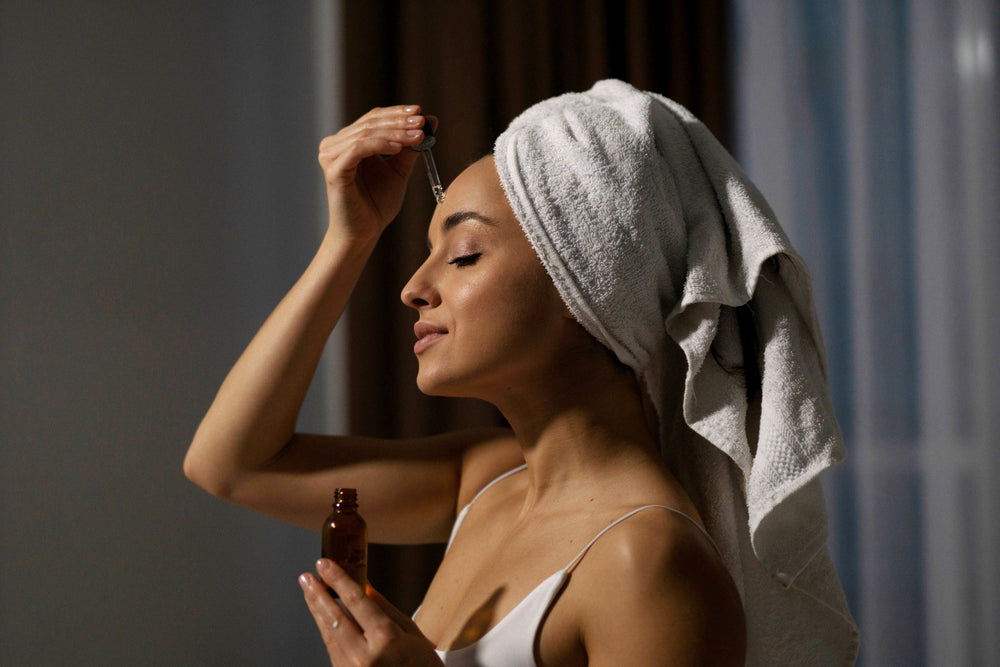
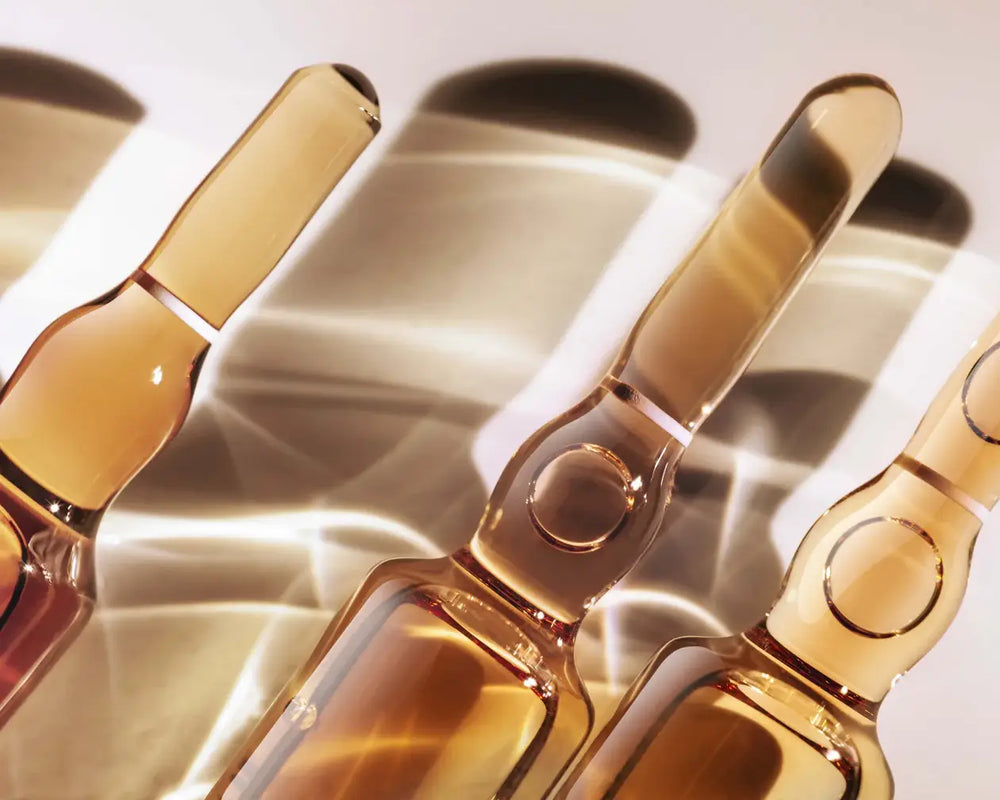


The morning light pours into the bedroom, and you, with a cup of your favorite coffee, stand before the mirror. Instead of waking up with a flawless, even complexion, you notice them again – those subtle shadows, darker spots, which seem to deepen their mark with each passing day. Do you know that feeling when perfect makeup doesn't quite conceal what you wish to hide, and the thought of going out without it causes anxiety? At HDREY, we understand that products for hyperpigmentation are not just a matter of aesthetics, but primarily psychological comfort and self-confidence. We want you to feel absolutely free and beautiful in your natural skin. That’s why, as HDREY's Editor-in-Chief and a beauty expert with a passion for dermatology, I have prepared a comprehensive guide for you – your antidote to uneven skin tone, which will help you step by step to regain natural radiance and solace.
Why do hyperpigmentation spots appear on the skin? Understanding their nature
Before we move on to specific steps, it's worth delving into the mechanisms that govern the appearance of these unwanted spots. Hyperpigmentation, known in dermatology as hyperpigmentation, is a phenomenon in which there is excessive production of melanin – a natural pigment that determines the color of our skin, hair, and eyes. When melanocytes, the cells responsible for melanin production, become overactive in certain areas, there is a localized accumulation of pigment, which manifests as darker spots – from freckles, to lentigines, to melasma.
The most powerful and often ignored catalyst for this process is, of course, sun exposure. UV radiation intensely stimulates melanocytes to produce melanin, which is designed to protect the skin from damage. Unfortunately, this defense often results in irregular sun spots. But the sun is not the only culprit. Other factors include:
- Hormonal changes: Pregnancy (so-called chloasma), hormonal contraception, and menopause can trigger melasma.
- Inflammation and injuries: Post-inflammatory hyperpigmentation (PIH) is a common effect after acne (causing post-acne hyperpigmentation), eczema, or even minor cuts.
- Medications and cosmetics: Some photosensitizing substances in medications (e.g., antibiotics, antidepressants) or cosmetic ingredients can increase the skin's sensitivity to the sun.
- Age: With age, the skin loses its ability to evenly distribute melanin, which promotes the formation of age spots.
Our skin is a fascinating, living organism, undergoing continuous regeneration processes. The skin's diurnal cycle affects its cellular regeneration, which is particularly intense at night, when damage incurred during the day is repaired. Unfortunately, external factors – UV radiation, environmental pollution, and even chronic stress – lead to the formation of free radicals. These aggressive molecules cause oxidative stress, which damages skin cells, accelerates aging, and, crucially, intensifies the formation of hyperpigmentation. That’s why at HDREY, we believe in the philosophy of minimalism and quality over quantity – fewer, but effective, synergistically acting, and carefully selected ingredients are key to healthy, radiant, and even skin that resists the passage of time and external aggressors.
Step-by-step routine - Your personalized plan for brightening the complexion
Here is a comprehensive skincare plan that will help you effectively combat hyperpigmentation, step by step restoring your skin's natural, even tone. This is not just a product list; it's an investment in your self-confidence and the radiance that comes from within.
Morning routine – protection and brightening
Morning is the time to strengthen the skin's protective shield against new damage and prepare it for an intensive fight against existing discolorations. This is your prevention ritual.
Step 1: Gentle cleansing
- What to do: Start your day with gentle skin cleansing. Use a mild gel, foam, or milk that will not disrupt the natural hydrolipidic barrier. Avoid strong detergents that can irritate the skin and paradoxically worsen the problem of hyperpigmentation by causing inflammation.
- How to apply: Wet your face with lukewarm water, apply a small amount of product to your hands, and gently massage the skin in circular motions for about 30-60 seconds. Then rinse thoroughly and pat your face dry with a soft towel, avoiding rubbing to prevent unnecessary irritation.
- Why it is crucial: Removes product residues applied in the evening, excess sebum, and sweat, preparing the skin to absorb subsequent active ingredients, while not disturbing its delicate balance, which is the foundation of healthy skin.
Step 2: Toning (optional, but recommended)
- What to do: If you include toner in your routine, choose one with moisturizing and soothing properties, and definitely alcohol-free. Formulas with rose, chamomile hydrosols or aloe water will be ideal, as they will additionally support the brightening process.
- How to apply: Apply toner to a cotton pad and gently wipe your face or, for even greater soothing, pat it directly with your hands.
- Why it is crucial: It restores the skin’s optimal pH after washing, intensely moisturizes, and acts as a bridge, preparing the skin for better, deeper absorption of subsequent active ingredients, especially serum.
Step 3: Brightening and antioxidant serum
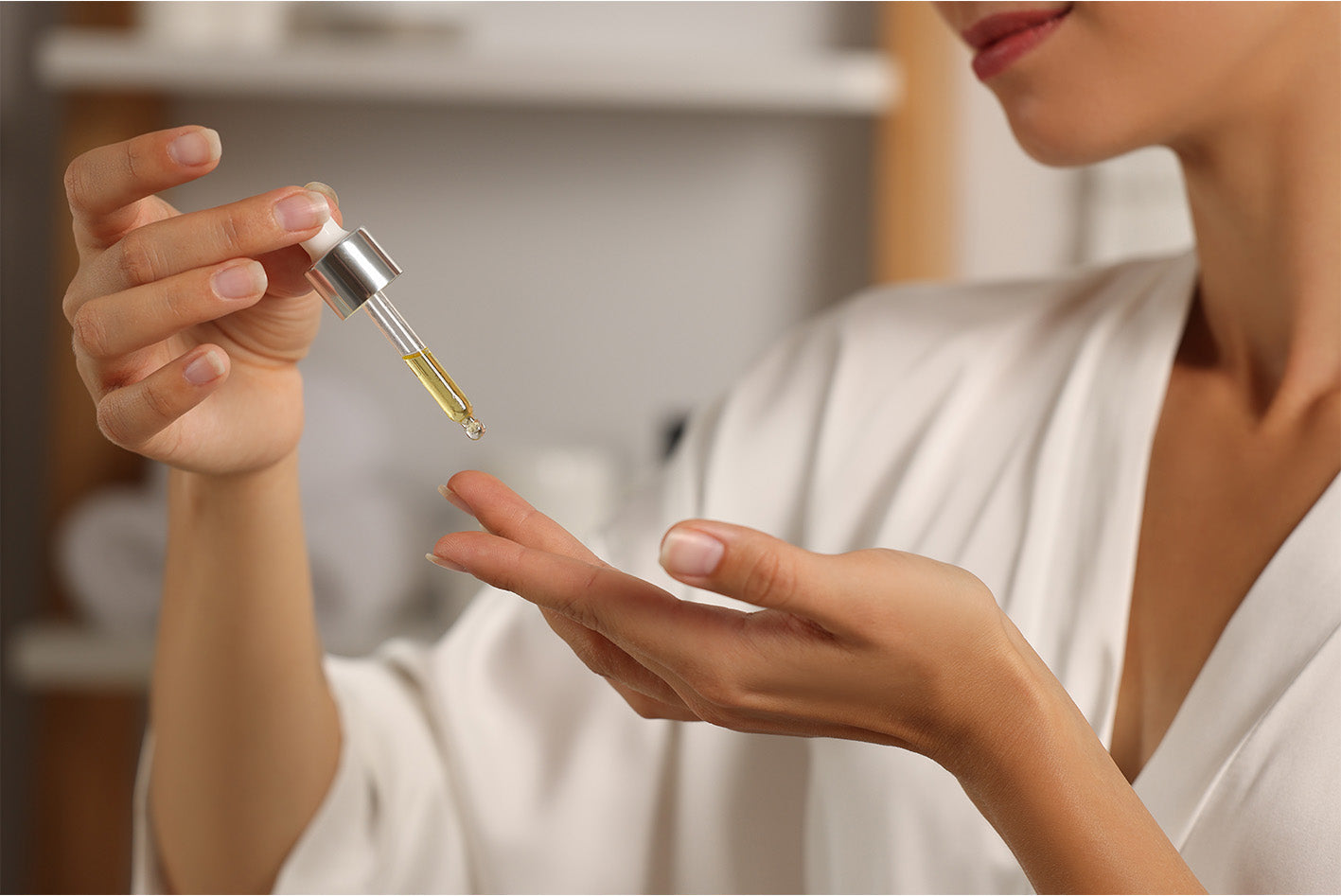
- What to do: This is one of the most important stages in the fight to lighten hyperpigmentation. Look for a hyperpigmentation serum that contains powerful antioxidants, such as a stable form of vitamin C (e.g., ascorbyl tetraisopalmitate, 3-O-ethyl ascorbic acid), ferulic acid, phloretin, or glutathione. Vitamin C is absolutely crucial – it not only effectively neutralizes free radicals but also inhibits melanin overproduction, supporting an even skin tone.
- How to apply: Gently massage a few drops of serum into cleansed skin on the face, neck, and décolletage. Wait a moment for the product to be completely absorbed before moving to the next step.
- Why it is crucial: Provides strong, multidimensional protection against free radicals, pollution, and UV radiation, and also actively reduces existing hyperpigmentation and prevents new ones from forming, leaving the complexion radiant and protected.
Step 4: Moisturizing cream
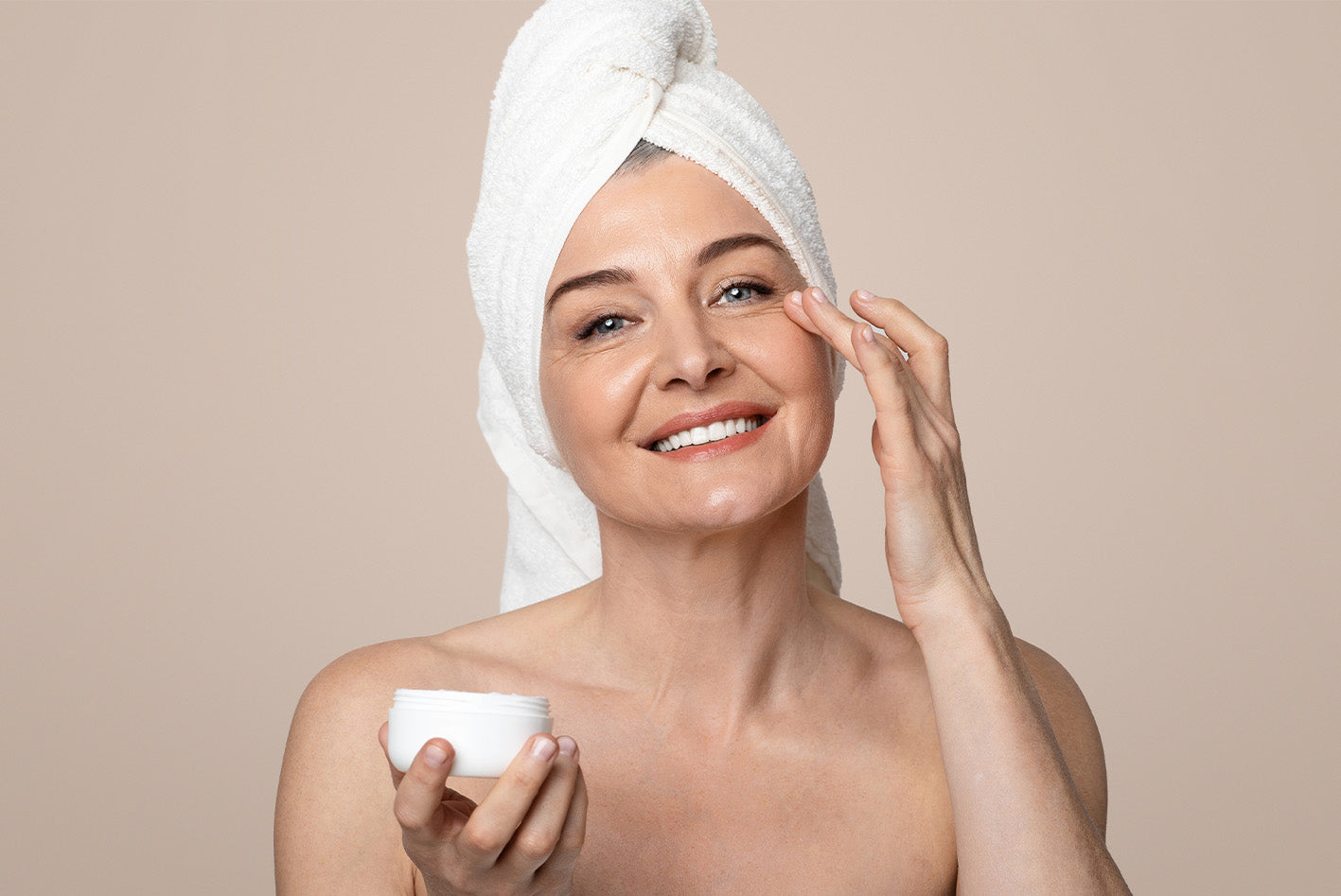
- What to do: Moisturizing is the foundation of healthy and elastic skin. Choose a light cream that will provide optimal hydration without weighing down the skin. Look for ingredients such as hyaluronic acid, ceramides, squalane, or natural plant oils.
- How to apply: Spread a small amount of cream evenly over your face and neck, gently patting.
- Why it is crucial: Maintains the hydrolipidic barrier in optimal condition, which is absolutely essential for skin regeneration, preventing irritation, and strengthening its natural defense functions. It provides comfort and elasticity to the skin throughout the day.
Step 5: SPF cream (ABSOLUTE ESSENTIAL!)
- What to do: This is the most important, non-negotiable step in the entire plan! Daily use of cream with a very high SPF (minimum 30, and ideally 50+) is absolutely essential, regardless of the weather, season, or whether you are indoors. Choose a broad-spectrum protective filter (UVA and UVB), preferably mineral if you have sensitive skin.
- How to apply: Generously apply the cream to the entire face, neck, and décolleté as the last step of your morning skincare routine. Remember to reapply every 2-3 hours if you are outdoors, sweating, or in contact with water.
- Why it is crucial: This is your most effective weapon. It protects the skin from further sun damage, prevents new hyperpigmentation from forming, and most importantly – enables the reduction of existing ones. Without SPF, no hyperpigmentation cosmetics will work fully, and your efforts will be in vain.
Evening routine – repair and regeneration
Night is when the skin intensively regenerates and rebuilds itself. Use this time for intensive, targeted depigmenting action and nourishment that will bring visible results.
Step 1: Double cleansing and makeup removal
- What to do: Start by thoroughly removing makeup, impurities, and sunscreen with an oil or cleansing balm. This is the first, crucial step. Then use a gentle gel, foam, or milk to remove any residue.
- How to apply: Massage the oil/balm into dry skin, dampen your hands, and continue massaging, emulsifying the product. Rinse with warm water. Then wash your face with the second cleanser.
- Why it is crucial: Thorough, two-step removal of all impurities and makeup is absolutely crucial for effective regeneration, preventing blackheads (which can lead to post-acne hyperpigmentation), and allowing active ingredients to penetrate deeper.
Step 2: Toning (optional)
- What to do: Similar to the morning, the toner's purpose is to restore the skin's optimal pH and provide an additional dose of hydration.
- How to apply: Apply the toner to a cotton pad and gently wipe your face or pat it directly with your hands.
- Why it is crucial: It increases skin comfort after washing and prepares it for receiving concentrated active ingredients from the serum.
Step 3: Serum with active ingredients for hyperpigmentation
- What to do: This is the heart of your evening routine, a moment of intense therapy. Choose a hyperpigmentation serum that contains proven, powerful depigmenting and regenerating ingredients:
- Retinoids (retinol, retinal, tretinoin): Absolute champions. They accelerate cell turnover, helping to get rid of discolored epidermal cells faster. They also increase collagen production, improving overall skin structure and firmness. Introduce them cautiously!
- Niacinamide (vitamin B3): A versatile hero. It inhibits melanin transfer to keratinocytes, reduces inflammation, strengthens the skin barrier and improves hydration.
- Azelaic acid: Ideal for skin with post-inflammatory hyperpigmentation and acne. It reduces melanin production, has anti-inflammatory, antibacterial, and gently exfoliating properties. Excellent for post-acne hyperpigmentation.
- Alpha-arbutin, kojic acid, tranexamic acid: These ingredients work synergistically to inhibit tyrosinase activity – a key enzyme in the melanin production process. They target the source of the problem.
- How to apply: Gently pat a few drops of serum into the skin of your face, neck, and décolletage. If you are using retinoids, start with lower concentrations and apply every 2-3 evenings, gradually increasing frequency while observing your skin's reaction.
- Why it is crucial: Intensely acts on melanin-producing cells, accelerating the process of brightening the complexion and renewing the skin, while supporting its overall condition and youthful appearance.
Step 4: Night cream
- What to do: Conclude your skincare with a richer cream that supports overnight regeneration and nourishment of the skin. Look for formulas with ceramides, peptides, squalane, fatty acids (e.g., omega-3, 6, 9), or plant oils that rebuild and strengthen.
- How to apply: Spread the cream evenly over your face and neck, gently massaging to fully utilize its potential.
- Why it is crucial: It reinforces the serum's action, supports the reconstruction of the skin's protective barrier and provides deep comfort throughout the night, so you wake up with rested and supple skin in the morning.
Additional steps – 1-2 times a week
Step 5: Peels and masks
- What to do: Once or twice a week, incorporate chemical peels (e.g., with acids for hyperpigmentation, such as glycolic, lactic, mandelic, PHA acids) or enzymatic peels into your routine. Brightening masks, e.g., with vitamin C, niacinamide, or plant extracts, can also be used.
- How to apply: After thorough cleansing, apply the peel to dry skin and leave it on for the time indicated by the manufacturer, then rinse thoroughly. After peeling, to soothe and nourish the skin, you can apply a brightening mask for 10-15 minutes.
- Why it is crucial: Peels gently but effectively help exfoliate superficial, discolored epidermal cells, revealing brighter, fresher skin and increasing the penetration of subsequent active ingredients you apply. This accelerates the entire depigmentation process.
How to adapt the routine to your skin type?
Each of our skins is different, like a unique fingerprint. That's why a personalized approach to skincare is so important, even when battling a common problem like hyperpigmentation. Adapting your routine to your skin type is key to maximizing results and avoiding unnecessary irritation.
Dry and dehydrated skin
For dry skin, the priority is gentleness, intense hydration, and rebuilding the protective barrier to prevent further irritation, which can exacerbate hyperpigmentation.
- Goal: Intense hydration, strengthening the protective barrier, and minimizing irritation.
- Routine modifications:
- Cleansing: Choose creamy milks, hydrophilic oils, or gentle cleansing balms. Absolutely avoid foaming gels and those with strong detergents, which can disrupt an already weakened barrier.
- Toning: Essential! Opt for hydrating toners with a high content of hyaluronic acid, glycerin, ceramides, panthenol, or rose water. Apply by patting, not rubbing.
- Serum: Choose a face serum that harmoniously combines brightening ingredients (e.g., niacinamide, stable vitamin C) with intensely moisturizing and barrier-strengthening ingredients – hyaluronic acid, ceramides, peptides. Introduce retinoids extremely cautiously, starting with the lowest concentrations and using less frequently (e.g., once a week), always under the guidance of a specialist.
- Creams: Richer, nourishing creams with emollients (shea butter, squalane, plant oils) for both day and night. Look for formulations that will "envelop" the skin, protecting it from water loss.
- Peels: Use only gentle enzymatic peels or those based on PHA acids (gluconolactone, lactobionic acid), which act more gently than AHAs. Less frequently – once every 10-14 days – to avoid disrupting the skin's delicate balance.
Combination and oily skin
For combination and oily skin, it is crucial to control sebum production and prevent pore clogging, which often leads to post-acne hyperpigmentation. At the same time, we aim for brightening without excessive drying.
- Goal: Sebum control, prevention of blackheads and inflammation, without clogging pores.
- Routine modifications:
- Cleansing: Light foams or gels that effectively remove excess sebum but do not leave a tight feeling. They can contain zinc or gentle AHA/BHA acids.
- Toning: Toners with salicylic acid (BHA) are ideal – they help cleanse pores and reduce inflammation, which is crucial in preventing post-acne hyperpigmentation. Hydrolates with sebum-regulating properties (e.g., witch hazel) will also be suitable.
- Serum: Focus on ingredients such as niacinamide, azelaic acid (great for hyperpigmentation and inflammation), stable vitamin C. Retinoids are very effective here because they not only fight hyperpigmentation but also perfectly regulate sebaceous gland function and improve skin texture.
- Creams: Light emulsions, fluids, gel creams, with a matte or semi-matte finish. It is extremely important that they are non-comedogenic (non-pore-clogging).
- Peels: Chemical peels with AHA (glycolic, mandelic) and BHA (salicylic) acids can be used more frequently (1-2 times a week) to effectively control sebum, unclog pores, and accelerate cell renewal.
Mature skin
Caring for mature skin with hyperpigmentation is a holistic approach that combines the reduction of hyperpigmentation with intense anti-aging action, improved firmness, and hydration.
- Goal: Reduction of hyperpigmentation combined with intensive anti-aging action, firming, and deep hydration.
- Routine modifications:
- Cleansing: Gentle milks or oils that do not disrupt the lipid barrier, often already weakened with age. It is important not to strip the skin's natural lipids.
- Toning: Hydrating and nourishing toners with peptides, hyaluronic acid, collagen, or plant extracts, which additionally support regeneration.
- Serum: A combination of vitamin C (in the morning) and retinoids (in the evening routine) is particularly effective here. Additionally, look for serums with peptides, ferulic acid, resveratrol, bakuchiol, which work synergistically as anti-aging and brightening agents. A luxurious facial serum with advanced active ingredients will be a hit, offering comprehensive treatment.
- Creams: Rich, nourishing and regenerating creams for day and night with ceramides, hyaluronic acid, peptides, squalane, which support collagen and elastin production, improving skin density and elasticity.
- Peels: Gentle chemical peels (e.g., lactic acid, mandelic acid) or enzymatic peels, used 1-2 times a week. These will help support cell renewal and increase the effectiveness of active ingredient absorption without excessive irritation to more delicate skin.
Skincare is more than a duty – it's a moment for yourself
In the rush of everyday life, between professional challenges and personal duties, it's easy to forget that skincare is not just a set of tasks to check off. It's a precious, intimate moment for yourself, your private antidote to the hustle and bustle. Treat each step as a mini-ritual, a moment of conscious presence where you care for your body and mind. Gently massaging a silky serum, consciously applying a nourishing cream – all of this can become a meditative experience that reduces stress, enhances mindfulness, and builds your deep self-confidence, step by step. This is your time, your solace.
Remember that consistency and patience are key. Hyperpigmentation doesn't disappear overnight – it's a biological process that requires time, regularity, and conscious action. But every, even the smallest improvement, every brighter skin tone is a reason to celebrate and motivation to continue. Treat your skin with love, understanding, and respect, and it will repay you with a beautiful, radiant appearance that radiates health. Your skin deserves the best care, and you deserve to feel absolutely comfortable and beautiful in it – without any compromises.
Your path to radiance – summary
The journey to hyperpigmentation-free skin is a process that requires commitment, but above all, knowledge and appropriately selected tools. We believe that thanks to this detailed skincare plan, armed with awareness and high-quality products, you will be able to effectively fight hyperpigmentation. Remember about non-negotiable sun protection, consistency in using active ingredients, and carefully listening to the signals your skin sends you. Let every day be a conscious step towards self-confidence and radiance that flows directly from you, naturally and beautifully. At HDREY, we will always support you on this path to harmony and a flawless complexion.