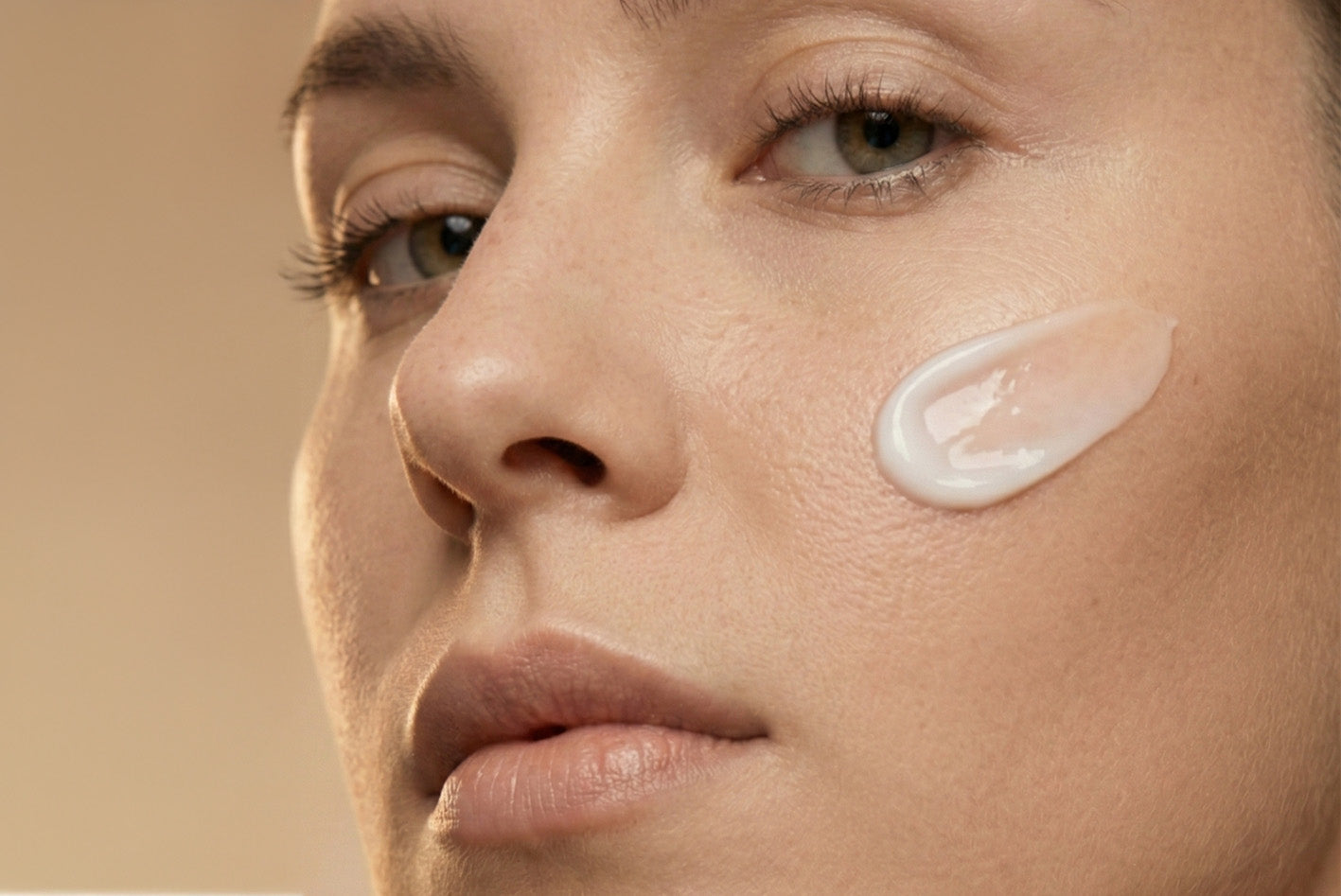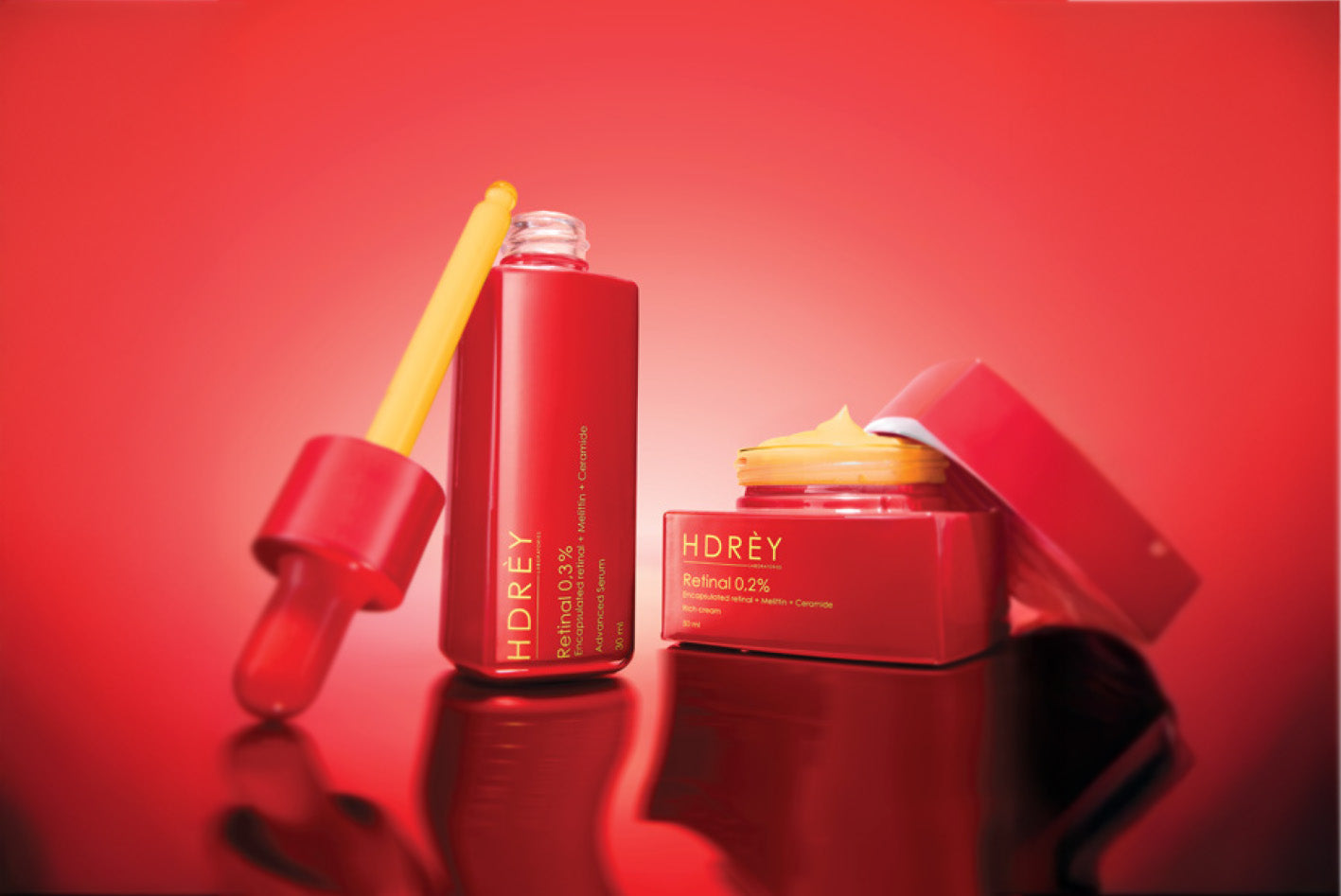
The evening ritual is more than just washing away the day's weariness from your face. It's a moment of absolute stillness when the skin enters intensive repair mode. While we rest, a fascinating process of cellular renewal occurs in the deep layers of the epidermis. At the center of this phenomenon, retinal is increasingly found – a molecule with powerful stimulating potential that has revolutionized professional cosmetology. Although it promises spectacular smoothing and thickening of tissue structure, its improper use can bring more discomfort than benefit. The art is not merely applying a highly active ingredient, but creating an ideal environment for it. An environment where the hydrolipid barrier remains intact, and cells can draw the most valuable benefits from it, without a hint of dryness or sensitization.
The dark side of renewal - why does skin react rebelliously to active molecules and how to recognize it?
Introducing retinoids into skincare is often compared to intense training. If you start a marathon without proper warm-up, your body will refuse to obey. The skin reacts similarly when we too abruptly serve it a high concentration of retinal. This unique ingredient – just one step away from retinoic acid – acts extremely quickly. It forces cells into accelerated division and exchange, which on one hand guarantees effective firming, and on the other hand can temporarily damage the delicate protective barrier on the surface of the epidermis.
Warning signs appear subtly. Initially, it's just a slight feeling of tightness after washing your face. Over time, it can turn into visible redness, especially around the nasal wings or mouth. Too rapid introduction of retinal leads to so-called retinoid dermatitis, which is often mistakenly interpreted as an allergic reaction to a cosmetic. The skin loses its natural ability to retain moisture, the level of transepidermal water loss (TEWL) drastically increases, and the complexion becomes dull, rough, and extremely sensitive to touch. The key to success is the ability to distinguish between desired, mild exfoliation (which is a natural part of renewal) and damage to the hydrolipid barrier. If you feel a burning sensation after applying a gentle moisturizing cream, it's a clear sign that your epidermis is crying for help and regeneration, and the treatment should be immediately slowed down.
More than skincare - how does lifestyle affect retinal tolerance?
Applying cosmetics is just the tip of the iceberg. Beautiful, resilient skin is built much deeper, in processes directly linked to how we function every day. Even the most advanced retinal serum will not fully demonstrate its capabilities if the body is permanently overstimulated. Chronic stress raises cortisol levels, which in turn wreaks havoc on collagen reserves and drastically slows down healing processes. In such a state, introducing strong active ingredients resembles building a house on very unstable ground.
The foundation of safe and effective therapy with retinal is a holistic approach to the body's resources. An extremely important aspect of building tolerance is how we nourish our epidermis from within. Internal supplementation of lipids and antioxidants creates a natural protective shield, allowing the skin to withstand stronger stimulation. Pay attention to these pillars of daily balance:
- Deep regenerative sleep – it is during the REM phase that growth hormone is released, essential for repairing micro-damages and multiplying new cells.
- Diet rich in unsaturated fatty acids – avocado, walnuts, olive oil, and fatty fish provide building blocks from which the body naturally synthesizes ceramides in the epidermis.
- Internal hydration – drinking an adequate amount of water with electrolytes is an absolute must; a dehydrated body will never produce resilient, radiant skin.
- Managing oxidative stress – a diet rich in colorful vegetables and fruits (source of vitamins C and E) neutralizes free radicals, thereby supporting renewal processes.
Targeted care - what to use in the morning and what in the evening during the treatment?
The architecture of skincare when using retinal requires extreme precision. We must clearly separate tasks: morning is the time for intensive protection and hydration, while night is a time for deep reconstruction and stimulation. Properly composing these two stages guarantees that retinal will work non-invasively, providing effects comparable to professional cosmetic treatments in salons.
In the morning, we focus on antioxidation and photoprotection. The epidermis, which was stimulated overnight, needs gentle care during the day. Start with a very gentle cleansing gel or emulsion that will not disrupt the microbiome. Then apply a serum with vitamin C, which will strengthen blood vessels and enhance the effect of photoprotection. The culmination of the morning routine is the application of a high-quality SPF 50 cream. Remember that retinal sensitizes the skin to UV radiation, so sun protection becomes an absolute must, regardless of the season or weather outside.
Evening is the time when we take control of the anti-aging process. If you are concerned about dryness, make friends with the so-called sandwich method. It involves applying a soothing layer under and over the active product. Here's what your evening ritual should look like:
- Thorough, double cleansing – first a cleansing balm or oil, then a gentle gel. The skin must be perfectly clean, but not stripped of all oils.
- Light base layer – after drying your face, apply a thin layer of light cream with ceramides, hyaluronic acid, or centella asiatica. Wait until it is completely absorbed.
- Retinal application – apply a pea-sized amount of the product to dry, protected skin. Spread evenly, avoiding the immediate eye area and sides of the nose. If you are looking for a suitable product, it is worth opting for a retinal serum enriched with soothing complexes.
- Rich seal – after about 15-20 minutes, apply a richer cream containing lipids, squalane, and shea butter. This will create an occlusion, preventing water loss and minimizing irritating potential.
Anatomy of needs - how to adapt the retinal routine to a specific skin type?
No two faces are alike, and consequently, there is no universal recipe for introducing retinal. Although the principle of building tolerance (starting with application once every 3-4 days) is constant, the supporting substances should be tailored to the specific needs of your complexion. Misunderstanding the specifics of one's own epidermis is one of the most common reasons for abandoning treatment before the first wonderful results appear.
For dry and dehydrated skin, retinal can seem like a significant challenge at first. Due to a naturally weaker protective barrier, this skin type requires an extremely abundant dose of lipids. The sandwich method is absolutely essential here. When choosing accompanying creams, opt for denser formulas, rich in ceramide NP, AP, and EOP, as well as free fatty acids. Sealing the entire routine with a few drops of natural squalane will also work perfectly, acting as a protective, biological plaster for flaky epidermis.
Combination, oily, and acne-prone skin, on the other hand, greatly benefits from using retinal. Unlike classic retinol, retinal also exhibits strong antibacterial properties, making it an excellent weapon in the fight against imperfections and sebum overproduction. Owners of this skin type often make the mistake of foregoing moisturizer for fear of clogging pores. This is a direct path to disaster. Oily skin, subjected to retinal, can become dehydrated, to which it will react... with even more intense sebum secretion. The solution lies in ultra-light emulsions, water-based cream-gels with polyglutamic acid and trehalose. These will provide optimal hydration without a heavy or sticky feeling.
For mature skin, the priority is synergistically stimulating collagen fiber production while preventing sagging. Here, retinal is worth supporting with the power of signal peptides, applied in a different part of the routine (e.g., during morning care, provided appropriate combining rules are followed). Mature skin loses its natural predisposition to barrier regeneration with age, so on nights free from retinal (so-called regeneration days), it is worth investing in deeply nourishing sleeping pack masks, rich in phytoestrogens and cellular extracts, which will compensate the epidermis for the energy expenditure associated with stimulation.
Summary - what does your new, safe path to younger skin look like?
The transformation you desire will not happen overnight, but it is absolutely within your reach. Incorporating retinal into your skincare cabinet is an excellent decision that will, over months, repay you with an incredible improvement in skin density, firmness, and tone. The most important ally in this process is your patience. Remember that introducing strong active substances is a marathon, not a sprint. Listen to your skin, observe its reactions, and don't be afraid to take a step back when you feel that the hydrolipid barrier is demanding a longer rest.
Treat your evening ritual as an investment in your well-being. Conscious, slow application of subsequent layers, combining innovative achievements in cosmetology with deep knowledge of epidermal physiology – all this allows you to take control of time. By building a systematic, smart routine in which retinal works in perfect harmony with restorative substances, you gain the certainty that in the morning you will look in the mirror with delight, seeing rested, radiant, and vibrant skin, without the slightest trace of dryness.