Pregnancy is one of the most physiologically demanding tests a woman's body undergoes. Changes occur at the cellular level, and the skin – our largest organ – immediately registers every hormonal fluctuation. Skincare, which until now relied on proven routines, suddenly stops working, and question marks begin to pile up in the bathroom cabinet. Understanding the mechanisms behind these transformations is the first step towards building a new, safe routine. When estrogen and progesterone levels soar, and relaxin appears in the bloodstream, your skin doesn't need a cosmetic revolution as much as a very wise, targeted evolution based on advanced but gentle solutions.
Invisible tension - how does dry skin manifest in pregnancy and what do we mistake its symptoms for?
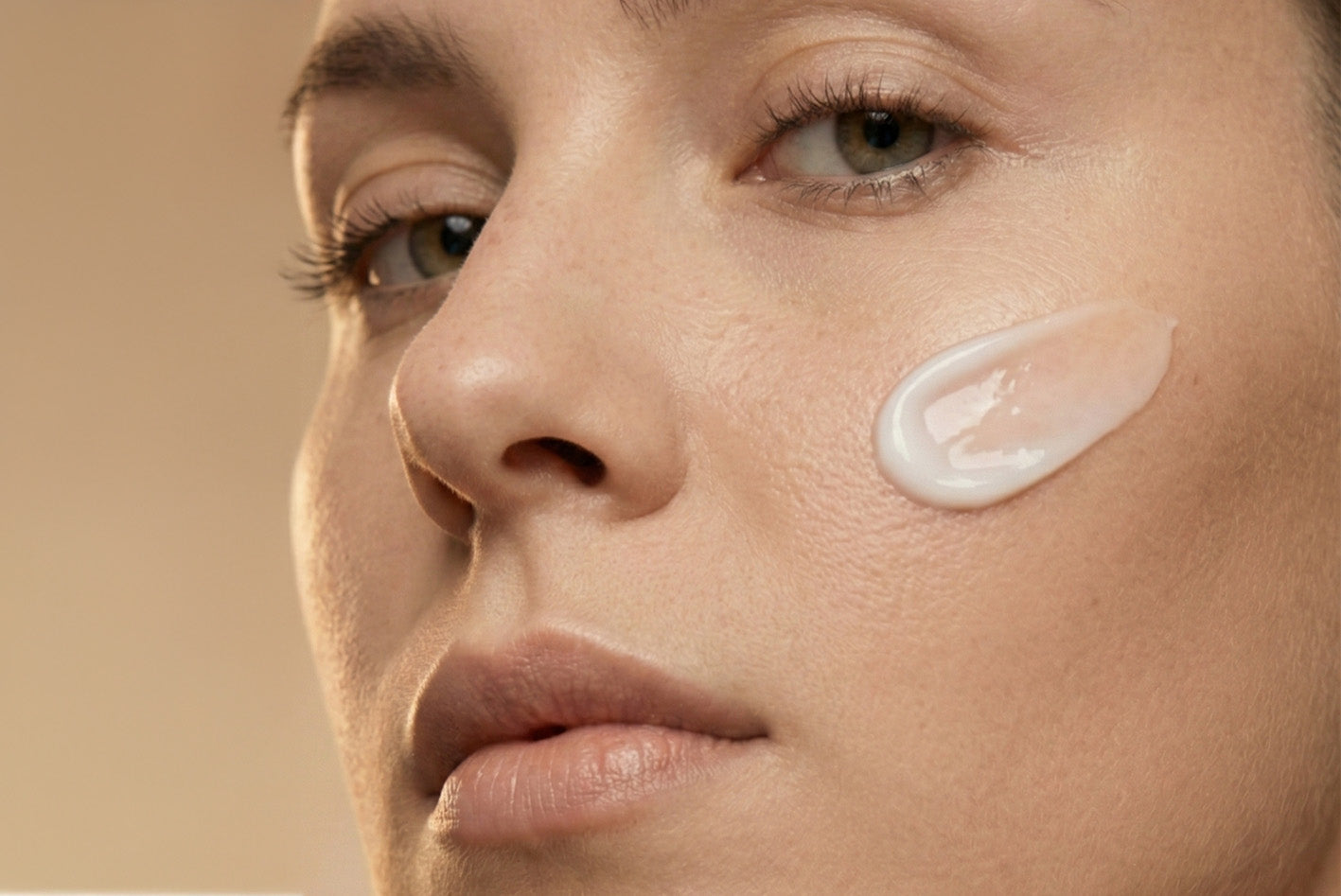
That feeling of tightness that appears just a few minutes after washing your face is no coincidence. This phenomenon intensifies in the first months when the body directs a lion's share of resources – including water reserves – to the developing placenta. The increased blood volume circulating in your body causes water to be successively drained from the epidermis, which drastically weakens the hydrolipid layer. Dry skin in pregnancy is often mistaken for ordinary, temporary dehydration, which we try to combat with light mists. Meanwhile, the problem lies much deeper – in the impairment of the intercellular cement, which, due to hormonal fluctuations, loses its ability to retain moisture.
Completely differently, though with equally great intensity, the skin of the whole body reacts. Here, the biggest challenge becomes stretch marks in pregnancy, which cause many women sleepless nights. It's a mistake to think that they arise solely from the mechanical stretching of the abdominal walls. Their true cause is cortisol in conjunction with relaxin – a hormone whose main task is to relax the pelvic ligaments, but which also weakens collagen and elastin fibers in the dermis. They become brittle and susceptible to micro-damage. That's why it's so important that skincare in pregnancy is not just superficial greasing, but provides ingredients that stimulate repair processes – such as amino acids, ceramides, and emollients, which elasticize the structures armoring our skin against ruptures.
Holistic shield - how do sleep, stress, and diet shape the microbiome and immunity of the expectant mother?
Focusing on the contents of jars and bottles, it's easy to lose sight of what forms the foundation of healthy skin. Even the most safe cosmetics during pregnancy will not work at their maximum power if the body operates in a state of continuous exhaustion and alarm. Cortisol, the stress hormone, is a silent killer of collagen and a major provocateur of inflammatory conditions that can lead to exacerbations of pregnancy acne or increased sensitivity. When you are overtired, the epidermal barrier becomes permeable, letting in allergens and releasing precious water.
Building an internal protective shield requires conscious management of the body's energy and resources. What truly supports the microbiome and accelerates regeneration?- Deep sleep hygiene – night is the only time when intense mitosis, or cell division, occurs in your skin. Lowering the bedroom temperature and cutting off blue light an hour before bedtime allows for a melatonin surge, which is a powerful antioxidant.
- Diet rich in Omega-3 acids – nuts, avocados, fatty sea fish from safe sources build the elasticity of cell membranes from within, providing excellent support for cosmetics applied externally.
- Regulation of oxidative stress levels – gentle movement, breathing exercises, and avoiding sudden spikes in glucose minimize the risk of glycation, i.e., the destruction of supportive skin proteins.
This broad perspective on one's needs relieves us of the pressure to achieve an unrealistic ideal. Understanding that the appearance of the complexion is a mosaic of daily choices gives a sense of control – invaluable when the body seems to be governed by its own incomprehensible laws.
Targeted and thoughtful routine - what to use in the morning and what in the evening?
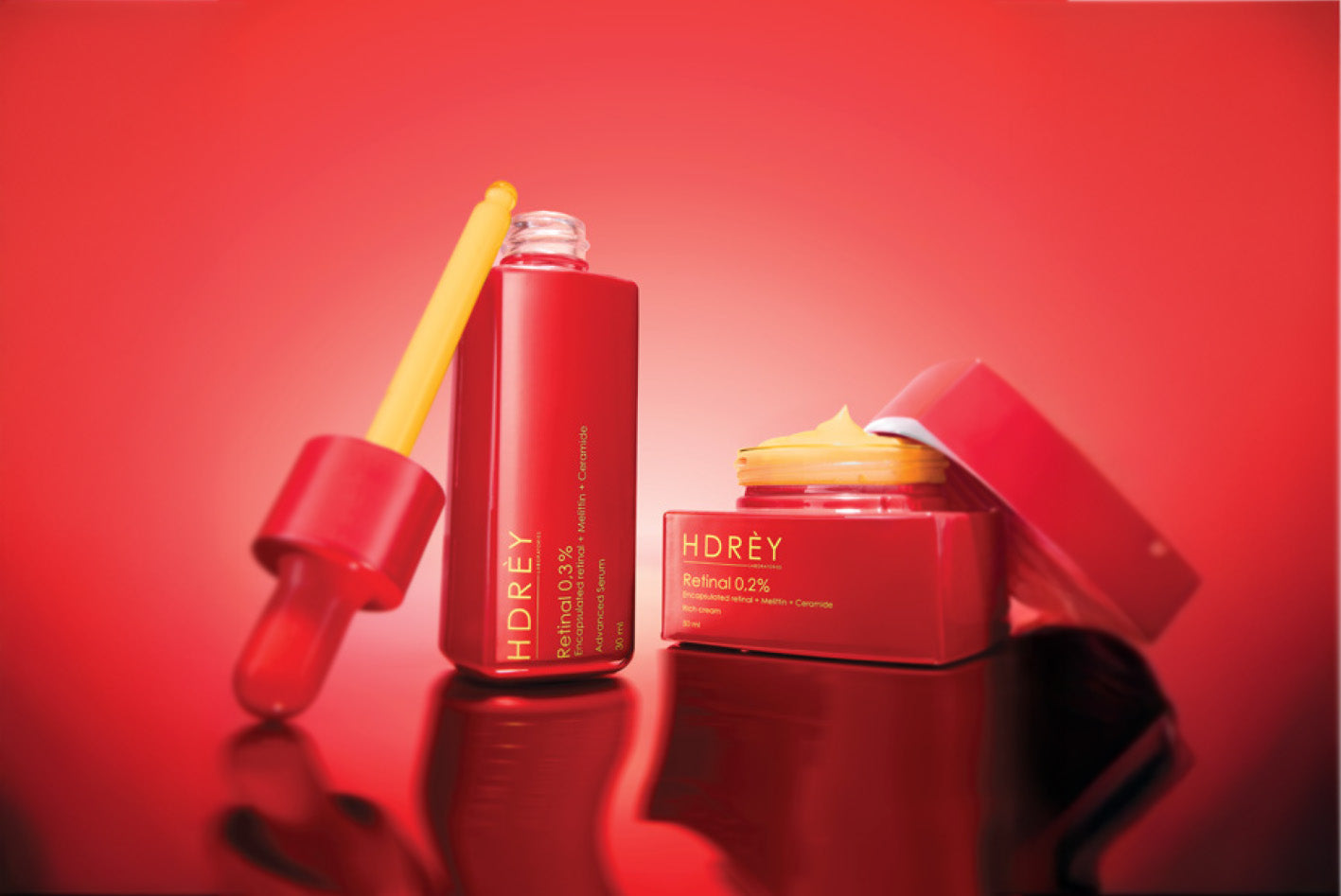
Creating a safe yet effective skincare plan requires careful selection of ingredients. Pregnancy categorically excludes the use of retinoids (including retinol and retinal), high concentrations of salicylic acid (BHA), and hydroquinone due to the potential risk of absorption into the bloodstream. However, this does not mean we are doomed to half-measures. High-quality natural cosmetics, enriched with innovative plant extracts, biocompatible lipids, and peptides, can successfully replace these potent active substances, delivering phenomenal results without any risk.
Morning is the time for protection against free radicals and UV rays. Wash your face with an extremely gentle emulsion that won't disrupt the hydrolipid barrier. Immediately afterward, apply a serum with vitamin C (preferably in a stable, gentle form, such as ascorbyl glucoside or sodium ascorbyl phosphate), which will act as a natural antioxidant shield and help prevent the appearance of discoloration. The latter, called melasma, are unfortunately very common due to high melanin production provoked by estrogens. Don't forget sunscreen – during pregnancy, mineral filters (zinc oxide, titanium dioxide) are not only the safest, but they also wonderfully soothe sensitized skin, reflecting sunlight like tiny mirrors.
Evening, in turn, is a moment for deep rebuilding and care for the entire figure. Body care at this time should resemble a small, home SPA ritual that helps relieve tension from the neck or swollen legs. When choosing natural body care cosmetics, pay attention to those based on botanical butters and squalane. An excellent solution is natural body oils applied directly to still slightly damp skin after bathing. The very process of massaging the product into the growing belly, thighs, and buttocks, performed with slow, circular movements, improves blood microcirculation, which phenomenally stimulates fibroblasts to increase the production of elastic collagen fibers. Facial skin will thank you in the evening for a solid dose of ceramides, hyaluronic acid, and in case of breakouts – for gentle but effective azelaic acid, which has antibacterial and soothing properties, and is 100% safe for expectant mothers.
Individual alphabet of needs - how to adapt the routine to the skin type and its whims?
It's worth remembering that every pregnancy is different, and a universal method that suits absolutely every woman simply doesn't exist. Your complexion can react to hormonal changes in several extreme ways. Some of us notice a sudden drop in sebum secretion – combination and oily skin unexpectedly normalizes, while naturally dry skin becomes parchment-like, prone to redness and bothersome flaking. If you belong to this group, you must act occlusively. Reach for rich textures, based on evening primrose, borage, and plum oils, which will seal the barrier and prevent water evaporation (TEWL).
There is also the other extreme of pregnancy surprises – a sudden breakout of imperfections. Androgens, which sometimes make themselves known in the first trimesters, stimulate the sebaceous glands to overproduce sticky sebum. Pores become clogged, and inflammation develops rapidly. When battling acne during pregnancy, forget about aggressive exfoliation and drying gels. This is the fastest way to trigger the skin's defense mechanism, which will result in a doubled problem. Instead, trust gentle AHAs (e.g., lactic or mandelic acid), which subtly loosen the cellular bonds of the epidermis. Cosmetics for women focused on microbiome balance – prebiotics and postbiotics contained in toners or light moisturizing creams – will also be essential, effectively reducing inflammation without irritating sensitive tissue.
If you struggle with couperose skin or rosacea, know that increased blood volume intensifies redness. Make sure your products do not contain artificial fragrances, menthol, or irritating alcohols. Look for ingredients like Centella asiatica (CICA), panthenol, lactobionic acid, and hesperidin. Building a tailored routine is an art of observation – what was a lifesaver in the first trimester may require modification in the third. Flexibility and openness to changing needs are key to maintaining perfect condition.
Summary - how to build a soothing haven in your own bathroom?
The waiting period for a child is a marathon that tests not only our physical but also our emotional resilience. Skin, as a mirror of our well-being and physiological condition, now demands double the tenderness and a huge dose of empathy from you. Instead of stressing about every new discolored spot or dryness, treat skincare as your inviolable sanctuary, where it's just you, safe, selected formulas, and your moment of respite.
By choosing consciously and investing in professional, advanced formulations, you give your skin powerful tools to combat loss of elasticity and tension. Remember that consistency in application, gently massaging nourishing emulsions into your body and face, and the ability to carefully listen to your body's signals will pay off much faster than you expect. In this unique journey, prevention, care, and deep respect for your own body, which is currently doing the most beautiful and hardest work, are what truly matter. Let your skincare routine become a testament to this love – a reliable, comforting, and absolutely safe ritual whose effects will stay with you long after your little one enters the world.