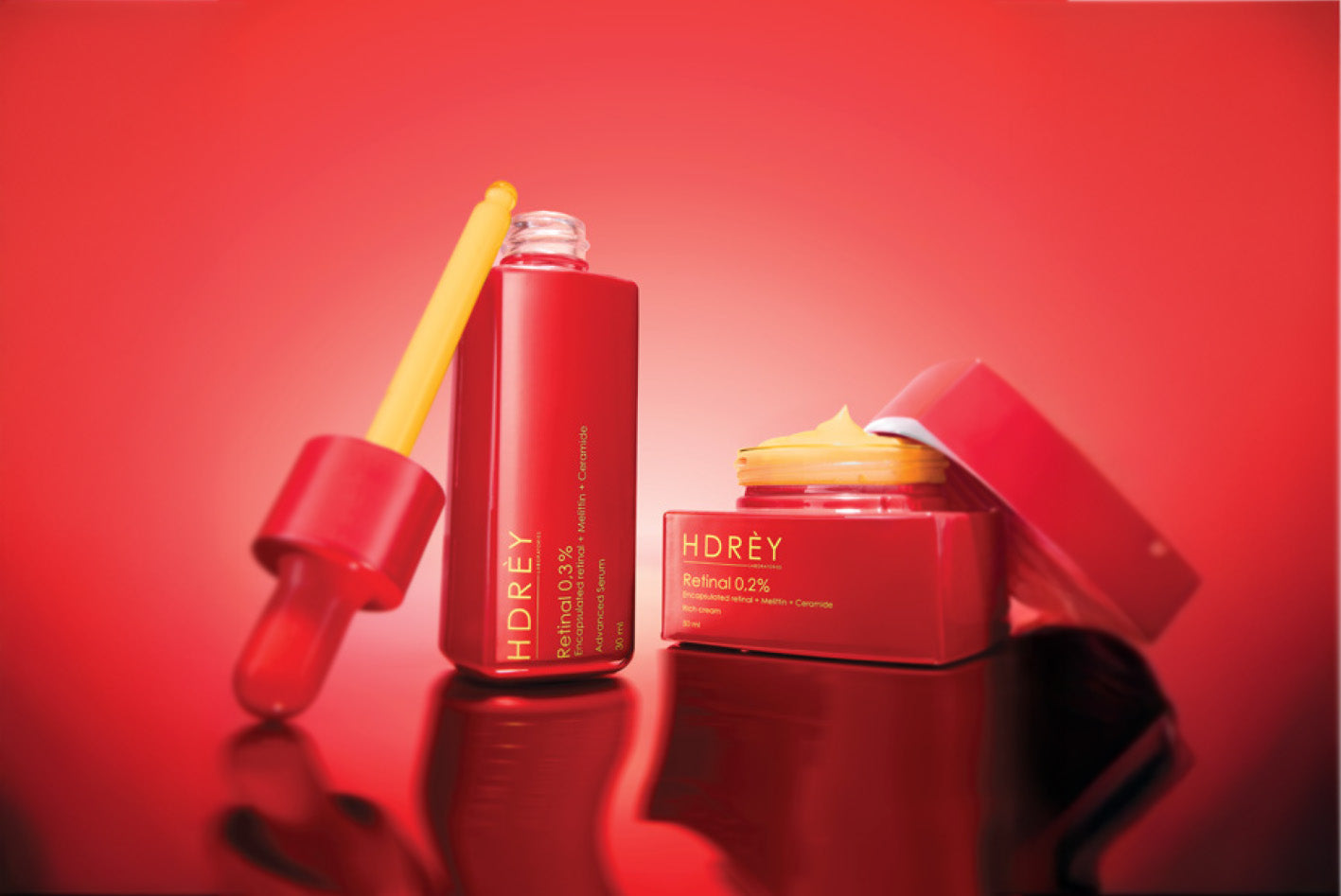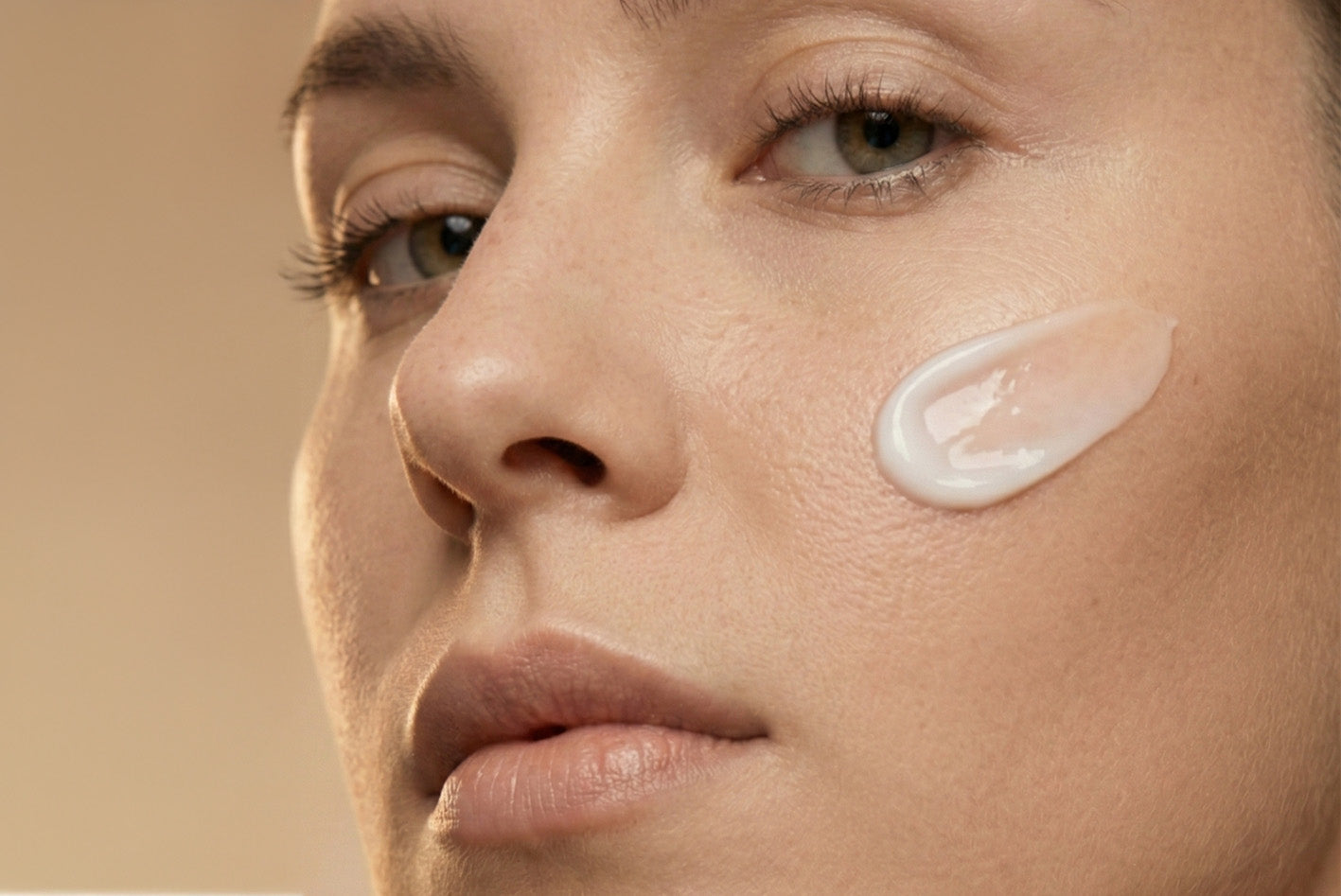
Do you know that feeling when, after a long day – or perhaps even as soon as you wake up – your skin is crying out for help? Do you feel an unpleasant tightness or a burning sensation, and touch it with trepidation because it feels rough, almost papery? Subtle redness appears without warning, and no cream brings lasting relief. It’s not just a matter of dry facial skin – it’s a sign that your most important defender, the hydrolipid barrier, needs immediate regeneration. At HDREY, we understand how frustrating and painful life with a weakened barrier can be. But we have good news for you: rebuilding it is within reach and starts with mindful, empathetic skincare. Let me guide you through this process, step by step, in the spirit of minimalism and uncompromising quality, so that you can feel comfortable and confident in your skin once again.
Why is the hydrolipid barrier so crucial for the health and beauty of the skin?
Imagine your skin as an intricately built wall, where the bricks are the cells of the epidermis (corneocytes) and the mortar is an extremely important binding substance – our hydrolipid barrier. It consists of an aqueous (hydro) and a lipid layer, which is a complex mixture of ceramides, cholesterol and free fatty acids. It is this delicate, invisible shield that forms the first line of defence against the outside world. It protects against harmful environmental factors – pollution, pathogens, allergens, UV radiation – and, above all, prevents excessive water loss from the epidermis (TEWL), maintaining optimal hydration and elasticity.
When the hydrolipid barrier is intact, the skin is smooth, firm, radiant and resilient. When it is damaged, problems arise: dry facial skin, irritation, redness, itching, increased sensitivity, and even a tendency towards breakouts and infections. Factors that weaken it include aggressive cleansing, excessive exfoliation, overuse of potent active ingredients (retinoids, acids in too high a concentration), temperature changes, air conditioning, wind, sun, as well as internal factors such as stress, diet or the skin’s natural circadian rhythm. Remember that intensive cellular regeneration takes place at night, and chronic fatigue or oxidative stress, so common in your busy life, can disrupt these natural processes. Our aim is to support the skin’s natural defence and repair mechanisms, focusing on quality and conscious product choices rather than quantity and quick fixes.
Your daily routine – steps to rebuild the hydrolipid barrier
Rebuilding the barrier is a process that requires patience and consistency. It is an investment in the long-term health and beauty of your skin, as well as in your daily peace of mind. Get ready to introduce a ritual into your daily skincare routine that will bring relief to both your skin and your soul.
Step 1: Gentle cleansing – the foundation of healthy skin
This is an absolutely crucial step. Forget about heavily foaming, astringent products that ‘squeak’ on the skin after washing – this is an unpleasant sign that they are damaging the barrier. Opt for ultra-gentle facial cleansers that do not disrupt the skin’s natural pH. To start removing make-up, make-up remover balms or oils are ideal, as they gently dissolve make-up and impurities without disturbing the lipid layer. Next, for the second stage of cleansing, choose gentle face washes or cleansing milks that will leave your skin refreshed, but not dry or tight. Remember to always wash your face with lukewarm water, avoiding extreme temperatures which further irritate sensitive skin.
Step 2: Restoring balance and hydration – toner and essence
After cleansing, the skin’s pH may be slightly unbalanced. At this point, reach for an alcohol-free toner rich in moisturising ingredients such as hyaluronic acid, glycerine or panthenol. Gently pat it into the skin with your hands or apply it using a cotton pad. This will prepare the skin to absorb further active ingredients. It is also worth incorporating a nourishing essence into your routine, which will provide an extra dose of hydration and nutrients, supporting skin regeneration at a deeper level and strengthening its resilience.
Step 3: Repair and strengthening – the power of serum
A serum is a concentrate of active ingredients that work in a targeted and intensive manner. When it comes to repairing the hydrolipid barrier, ceramides in skincare products are an absolute must-have. Ceramides are key lipids naturally found in the skin, essential for its proper functioning – they act as a binding agent that reconnects the ‘bricks’ of your protective barrier. Look for a serum containing a complex of ceramides, cholesterol and free fatty acids, i.e. ingredients that mimic the natural composition of the barrier. Niacinamide (vitamin B3) is another hero – it strengthens the barrier, reduces redness and regulates sebum production. Hyaluronic acid with varying molecular weights will provide multi-level hydration, whilst peptides stimulate the production of collagen and elastin, supporting the skin’s overall condition and regeneration.
Step 4: Intensive nourishment and protection – a cream that heals
The cream is the finishing touch to the entire routine. Its role is to deliver nutrients to the skin and create a protective layer that prevents moisture loss. Choose creams rich in emollients, such as plant butters (shea, cocoa), squalane, and oils (argan, jojoba). Again, look for formulas containing ceramides, fatty acids and cholesterol, which actively support the hydrolipid barrier, acting like a dressing. For very dry facial skin, consider using thicker, more occlusive night creams that allow the skin to regenerate undisturbed during its natural circadian cycle.
Step 5: Sun protection – an absolute must
Even if your barrier is damaged, sun protection is essential. UV radiation is one of the main factors accelerating oxidative stress and damaging skin structures, including the barrier. Use an SPF 30–50 sunscreen every day, regardless of the weather. Opt for mineral sunscreens (zinc oxide, titanium dioxide), which are often better tolerated by sensitive skin with a compromised barrier, providing a gentle yet effective shield.
How to tailor your routine to your skin type?
Although the principles of barrier repair are universal, each skin type has its own specific needs. Our facial care products have been designed to meet these challenges, offering personalised relief.
For dry/dehydrated skin:
Dry and dehydrated skin is a typical example of a weakened hydrolipid barrier. It needs maximum support. Opt for double cleansing using rich balms and creamy milks. Toners and essences should be intensely moisturising. Choose serums and creams with the highest concentrations of ceramides, cholesterol, fatty acids and humectants (hyaluronic acid, glycerine). Don’t be afraid of layering – apply a thin layer of serum, followed by a rich, occlusive cream. Once a week, you can use a regenerating mask, rich in lipids and nutrients, which will envelop your skin and bring immediate relief.
For combination/oily skin:
The myth that oily skin doesn’t need moisturising and can be treated harshly is harmful! In reality, its hydrolipid barrier can also be damaged, leading to overproduction of sebum and, paradoxically, dehydration. Gentleness is key. Choose light facial cleansers in gel or foam form, but free from alcohol and harsh detergents. Look for toners containing niacinamide, which regulates sebum. A serum with ceramides and hyaluronic acid, but with a lighter texture, will be ideal. Creams should be moisturising but non-comedogenic – light emulsions or gel-creams. It is important not to overdry the skin, as this will only exacerbate its tendency to become oily, trapping it in a vicious cycle of problems.
For mature skin:
As we age, the skin’s natural regeneration processes slow down and lipid production decreases, making mature skin particularly vulnerable to a weakened barrier. Incorporate all regeneration steps into your routine, focusing on active ingredients that both support the barrier and counteract the signs of ageing. A serum containing peptides, vitamin C and antioxidants combined with ceramides is an excellent choice. Creams should be rich and nourishing, containing lipids that provide comfort and support the skin’s recovery. Remember to use SPF regularly to protect your skin from photoageing, which further weakens the barrier and accelerates the ageing process.
Skincare as an act of self-love
Restoring the hydrolipid barrier is more than just using cosmetics – it is a holistic approach to health and well-being. Skincare should become a ritual, a moment just for you, rather than another chore on your ‘to-do’ list. When your skin is healthy, radiant and comfortable, you regain your self-confidence. The frustrations associated with dry facial skin or irritation disappear, and you can focus on what really matters. Allow yourself these few minutes twice a day to consciously care for your skin, take a breather and feel good in your own skin. It’s an investment that pays off not only in a more beautiful complexion but also in improved well-being – your personal antidote to a hectic world.
Your path to healthy and radiant skin
Rebuilding the hydrolipid barrier is a journey that requires commitment and mindfulness, but the reward is priceless: healthy, resilient, radiant skin that gives you comfort every day. Remember to cleanse gently, moisturise intensely, strengthen with ceramides and maintain consistent SPF protection. Listen to your skin, observe its reactions and adapt your skincare routine with empathy. At HDREY, we believe that mindful skincare is the key to discovering your natural radiance and inner strength. Give your skin what it needs, and it will repay you with the beauty and comfort you deserve, becoming your best calling card.